
Worried about the lifespan of your home battery? You're not alone. Investing in home battery storage is a significant step towards energy independence and a greener future. But to truly reap the rewards, understanding how to maximize your battery's lifespan is crucial. After all, a longer lifespan translates to better energy savings, a reduced environmental footprint, and a greater return on your investment.
Home battery storage is a game-changer, offering backup power during outages, reducing reliance on the grid, and even enabling you to store excess solar energy. Optimizing battery life is about adopting smart habits and understanding the factors that influence its performance. A well-maintained battery not only lasts longer but also operates more efficiently, maximizing your home energy efficiency and contributing to a more sustainable lifestyle.
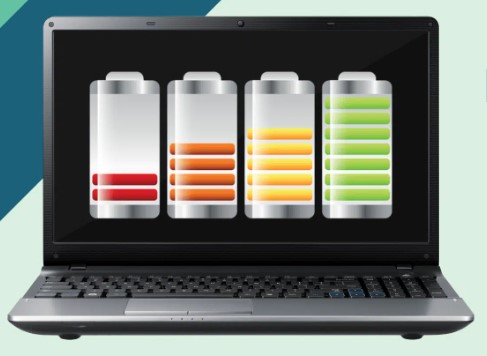
One of the simplest and most effective things you can do is to monitor your battery's state of charge (SOC) regularly. Avoid consistently discharging your battery to very low levels (below 20%) as deep discharges can stress the battery and shorten its lifespan. Aim to keep your battery within the 20-80% SOC range as much as possible.
Practical Tips for Maximizing Home Battery Lifespan
Extending the life of your home battery system involves a blend of mindful usage, regular maintenance, and understanding how environmental factors impact its performance. By integrating these practical tips into your routine, you can significantly improve the longevity and efficiency of your investment in renewable energy at home.
Understanding Depth of Discharge (Do D)
Depth of Discharge (Do D) refers to the percentage of the battery that has been discharged relative to its overall capacity. For example, discharging a 10 k Wh battery by 5 k Wh represents a 50% Do D. Understanding Do D is critical because battery lifespan is often directly correlated with how deeply and frequently you discharge it.
Shallow Discharges are Better: Batteries generally last longer when they are discharged less deeply. Frequent shallow discharges are preferable to infrequent deep discharges. Manufacturer Recommendations: Always consult your battery manufacturer's specifications for recommended Do D. Some batteries are designed to tolerate deeper discharges than others. Smart Home Energy Management: Utilize smart home energy systems that can manage your battery's discharge to optimal levels. These systems can prioritize grid usage or other energy sources when the battery reaches a certain Do D threshold, minimizing stress on the battery.
Temperature Matters: Controlling Your Battery's Environment
Extreme temperatures, both hot and cold, can significantly impact battery performance and lifespan. Batteries operate most efficiently within a specific temperature range, typically between 15°C and 25°C (59°F and 77°F).
Ideal Location: Install your battery in a climate-controlled environment, such as a garage or basement. Avoid direct sunlight and areas prone to extreme temperature fluctuations. Ventilation is Key: Ensure adequate ventilation around the battery to dissipate heat. Poor ventilation can cause the battery to overheat, especially during charging and discharging. Thermal Management Systems:Some advanced battery systems come equipped with built-in thermal management systems. These systems regulate the battery's temperature using fans, liquid cooling, or other methods. Consider these options if you live in an area with extreme temperatures.
Case Study: A homeowner in Arizona installed their home battery storage system in an uninsulated shed. During the summer months, the battery frequently overheated, causing it to degrade much faster than expected. After relocating the battery to a climate-controlled garage, the homeowner noticed a significant improvement in battery performance and lifespan.
Smart Charging Strategies for Home Battery Storage
How you charge your battery is just as important as how you discharge it. Employing smart charging strategies can help to prolong battery life and maintain optimal performance.
Avoid Overcharging: Overcharging can damage the battery and reduce its lifespan. Use a smart charger that automatically stops charging when the battery is full. Most modern battery systems have built-in overcharge protection. Optimal Charging Rate: Consult your battery manufacturer's specifications for the recommended charging rate. Charging the battery too quickly can generate excessive heat and stress the battery. Scheduled Charging:If you have time-of-use electricity rates, schedule charging during off-peak hours when electricity is cheaper. This not only saves you money but can also reduce stress on the battery by spreading out the charging process.
Regular Battery Life and Maintenance Checks
Regular maintenance is essential for identifying potential issues early and ensuring that your battery operates at peak performance.
Visual Inspections: Conduct regular visual inspections of the battery and its surroundings. Look for signs of corrosion, leaks, or damage. Clean any corrosion with a baking soda solution. Monitor Performance: Keep track of your battery's performance using a monitoring system. Pay attention to metrics such as voltage, current, temperature, and state of charge. Software Updates: Ensure that your battery's software is up to date. Manufacturers often release software updates that improve performance, efficiency, and safety. Professional Servicing: Schedule regular professional servicing for your battery system. A qualified technician can perform a comprehensive inspection, identify potential problems, and make necessary repairs.
People Also Ask: Common Battery Life Questions
Here are some frequently asked questions related to maximizing the lifespan of home batteries:
What is the typical lifespan of a home battery?
The lifespan of a home battery typically ranges from 5 to 15 years, depending on the type of battery, usage patterns, and environmental conditions. Lithium-ion batteries, which are commonly used in home energy storage systems, generally have a longer lifespan than lead-acid batteries. However, proper maintenance and adherence to manufacturer recommendations can significantly extend the lifespan of any battery.
Can I use my home battery during a power outage?
Yes, one of the primary benefits of home battery storage is the ability to provide backup power during a power outage. When the grid goes down, your battery system automatically switches on, providing electricity to your home. The amount of power and the duration for which it can supply power depend on the size of your battery and your energy consumption.
How does solar panel integration affect battery lifespan?
Integrating solar panels with your home battery system can be a great way to maximize renewable energy at home. By storing excess solar energy in your battery, you can use it later when the sun isn't shining. However, it's important to ensure that the charging and discharging cycles are optimized to avoid stressing the battery. Using a smart energy management system can help to coordinate the charging and discharging of the battery in a way that prolongs its lifespan.
Is it better to fully charge or partially charge my home battery?
Generally, it's better to partially charge your home battery rather than fully charging it all the time. As mentioned earlier, shallow discharges and charges are preferable to deep discharges and charges. Keeping your battery within the 20-80% SOC range can help to extend its lifespan.
What happens to my home battery at the end of its lifespan?
At the end of its lifespan, your home battery will need to be replaced. It's important to dispose of the old battery properly to avoid environmental contamination. Many battery manufacturers offer recycling programs, and there are also specialized companies that handle battery recycling. Check with your manufacturer or local authorities for information on how to recycle your battery safely and responsibly.
Leveraging Smart Technology for Optimal Battery Health
Smart home energy systems can play a pivotal role in maximizing battery lifespan. These systems use sophisticated algorithms to monitor battery performance, optimize charging and discharging cycles, and manage energy consumption.
Real-Time Monitoring: Smart systems provide real-time data on battery voltage, current, temperature, and state of charge. This allows you to track battery performance and identify potential issues early. Automated Optimization: These systems can automatically adjust charging and discharging cycles to optimize battery lifespan. They can also prioritize grid usage or other energy sources when the battery reaches a certain Do D threshold. Demand Response:Some smart systems participate in demand response programs, which allow you to earn money by reducing your energy consumption during peak demand periods. This can help to offset the cost of your battery system and reduce stress on the battery.
Example: Consider a family that installs a smart home energy system. The system monitors the battery's performance and automatically adjusts the charging schedule to take advantage of off-peak electricity rates. It also prioritizes solar energy usage to minimize the number of charging and discharging cycles. As a result, the family is able to extend the lifespan of their battery and save money on their electricity bill.
Warranty and Support: Know Your Coverage
Understanding your battery's warranty coverage and accessing reliable support are crucial for protecting your investment.
Read the Fine Print: Carefully review your battery's warranty terms and conditions. Pay attention to what is covered, what is not covered, and the duration of the warranty. Registration: Register your battery with the manufacturer to ensure that you are eligible for warranty coverage. Technical Support: Familiarize yourself with the manufacturer's technical support resources. This may include online documentation, FAQs, and phone or email support. Certified Installers: Use certified installers for battery installation and maintenance. Certified installers have the training and expertise to ensure that your battery is installed correctly and maintained properly.
Investing in home battery storage is a commitment to a more sustainable and resilient future. By implementing these practical tips, you're not just extending the lifespan of your battery; you're also optimizing your home energy efficiency, reducing your carbon footprint, and securing reliable backup power for years to come. You've got the knowledge and the ability to make a real difference – go make it happen!