
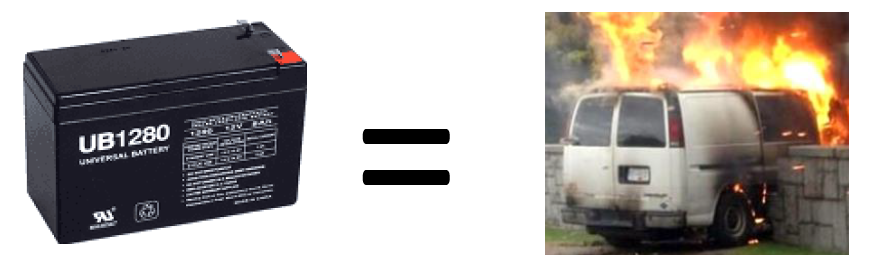
Are you thinking about adding home battery storage to your renewable energy setup? Maybe you already have a system and want to make sure you're operating it safely. Either way, understanding how to properly care for your battery system is crucial for its longevity, your safety, and the overall efficiency of your home energy efficiency.
Home battery storage is a game-changer for those looking to maximize energy savings and resilience. These systems allow you to store excess solar energy, use it during peak demand times, and even provide backup power during outages. But with great power comes great responsibility – and a need for careful maintenance. Knowing how to handle your battery system safely ensures you reap all the benefits without risking your well-being or your investment.
One immediate step you can take today is to familiarize yourself with your battery system's manual. Sounds simple, right? But you’d be surprised how many homeowners skip this crucial step. Your manual contains specific safety guidelines, maintenance schedules, and troubleshooting tips tailored to your exact model. Read it thoroughly and keep it handy for future reference.
Practical Tips for Home Battery Storage Safety
Safety should always be your top priority when dealing with home battery storage. These systems involve electricity and chemicals, so understanding the potential hazards and how to mitigate them is paramount. Let's delve into some practical tips to keep you, your family, and your property safe.
Installation Safety: Getting it Right from the Start
Proper installation is the foundation of a safe and efficient home battery storage system. Never attempt to install a battery system yourself unless you are a qualified and licensed electrician with specific training in battery storage installation. This is not a DIY project! Here's why professional installation is so important: Correct Wiring: Improper wiring can lead to short circuits, overheating, and even fires. Ventilation: Battery systems often require proper ventilation to prevent the buildup of flammable gases. A professional installer will ensure your system meets all ventilation requirements. Compliance with Codes: Local building codes and regulations often dictate specific requirements for battery storage installations. A professional installer will be familiar with these codes and ensure your system complies. Warranty Protection: Many manufacturers require professional installation to validate the warranty on their battery systems.
Beyond hiring a qualified professional, make sure to: Verify Credentials: Check the electrician's license and insurance. Get Multiple Quotes: Obtain quotes from several installers to compare pricing and services. Read Reviews: Check online reviews and ask for references to gauge the installer's reputation. Review the Installation Plan: Ensure you understand the installer's plan and that it meets your needs and safety requirements.
Regular Maintenance: Extending Battery Life and Ensuring Safety
Battery life and maintenance are intertwined. Consistent upkeep not only prolongs the lifespan of your home battery storage but also prevents potential safety hazards. Here's what you should incorporate into your routine: Visual Inspections: Regularly inspect your battery system for any signs of damage, such as cracks, leaks, or corrosion. Look for loose wiring or connections. Pay attention to any unusual smells emanating from the unit. Cleaning: Keep the battery system clean and free of dust and debris. Use a soft, dry cloth to wipe down the exterior. Avoid using water or cleaning solutions unless specifically recommended by the manufacturer. Temperature Monitoring: Most batteries have an optimal operating temperature range. Ensure the battery is not exposed to extreme heat or cold. Consider installing a temperature sensor to monitor the battery's environment. Check Connections: Periodically check the tightness of all electrical connections. Loose connections can cause overheating and arcing. Review System Logs: Many modern battery systems have built-in monitoring systems that track performance and provide alerts. Review these logs regularly for any signs of problems. Professional Servicing: Schedule regular professional servicing with a qualified technician. They can perform more in-depth inspections, diagnose potential issues, and ensure your system is operating safely and efficiently. Monitor Performance:Keep an eye on your battery's performance. Are you seeing a decrease in storage capacity? Is the battery charging or discharging slower than usual? These could be signs of underlying issues that need attention.
By proactively addressing potential problems, you can significantly extend the life of your battery and prevent costly repairs or safety hazards. Don’t neglect regular maintenance; it’s an investment in your peace of mind.
Understanding Battery Chemistry and Handling Precautions
Different battery chemistries require different handling precautions. Most home battery storage systems utilize lithium-ion batteries, but it's important to know the specific type used in your system and its associated risks.
Lithium-Ion Batteries: These are the most common type of batteries used in home storage systems. While generally safe, they can pose a fire risk if damaged or mishandled. Avoid puncturing or crushing lithium-ion batteries. Lead-Acid Batteries: Older systems may use lead-acid batteries. These batteries contain corrosive acid and can release flammable hydrogen gas during charging. Ensure proper ventilation and avoid contact with the acid. Nickel-Based Batteries:These batteries are less common but offer good performance and safety characteristics.
Regardless of the battery chemistry, always follow these handling precautions: Wear Protective Gear: When handling batteries, wear appropriate protective gear, such as gloves and eye protection. Avoid Short Circuits: Never allow metal objects to come into contact with battery terminals, as this can cause a short circuit and potentially a fire. Proper Storage: Store batteries in a cool, dry place away from flammable materials. Disposal: Dispose of batteries properly according to local regulations. Do not throw batteries in the trash. Many retailers offer battery recycling programs.
Understanding the risks associated with your battery chemistry and following these handling precautions will significantly reduce the risk of accidents.
Emergency Preparedness: Knowing What to Do in Case of a Problem
Even with proper installation and maintenance, emergencies can still occur. Being prepared to handle potential problems is crucial for protecting yourself and your property.
Know Your System: Familiarize yourself with the location of the battery system's disconnect switch and how to shut it down in an emergency. Install Smoke and Carbon Monoxide Detectors: Install smoke and carbon monoxide detectors near the battery system and test them regularly. Have a Fire Extinguisher Ready: Keep a fire extinguisher rated for electrical fires nearby. Know how to use it properly. Develop an Emergency Plan: Create a family emergency plan that includes steps to take in case of a battery fire or other emergency. Contact Emergency Services: In case of a fire or other serious emergency, immediately contact emergency services. Evacuate: If there is a fire or suspected leak, evacuate the premises immediately.
Prompt action can minimize damage and ensure everyone's safety.
Optimizing Battery Performance: Balancing Safety and Efficiency
Maximizing the performance of your home battery storage involves finding the right balance between safety and efficiency. Overcharging or deep discharging batteries can damage them and shorten their lifespan, potentially leading to safety hazards.
Follow Manufacturer Recommendations: Adhere to the manufacturer's recommendations for charging and discharging the battery. Avoid Overcharging: Do not leave the battery charging for extended periods after it is fully charged. Avoid Deep Discharging: Avoid completely draining the battery. Most systems have a minimum state of charge to prevent deep discharge. Optimize Charging Schedules: Adjust your charging schedules to take advantage of off-peak electricity rates. Monitor Battery Health: Track your battery's state of health (SOH) using your system's monitoring tools. A declining SOH indicates that the battery is losing capacity and may need to be replaced soon. Consider a Battery Management System (BMS): A BMS can help optimize battery performance and prevent overcharging, deep discharging, and other potentially harmful conditions.
By optimizing your battery's performance, you can extend its lifespan, improve its efficiency, and reduce the risk of safety issues.
Frequently Asked Questions (FAQs)
Here are some common questions homeowners have about home battery storage safety:
What are the signs of a failing battery?
Signs of a failing battery include decreased storage capacity, slower charging or discharging, unusual smells, bulging or swelling of the battery casing, and frequent error messages from the system. If you notice any of these signs, contact a qualified technician for inspection.
How often should I have my battery system serviced?
The frequency of professional servicing depends on the type of battery and the manufacturer's recommendations. As a general guideline, schedule a service inspection at least once a year. More frequent servicing may be necessary for older systems or those operating in harsh environments.
Can I add more batteries to my existing system?
Adding more batteries to an existing system is possible, but it's crucial to ensure that the new batteries are compatible with the existing system and that the system is properly sized to handle the increased capacity. Consult with a qualified installer before adding any batteries.
What should I do if my battery system catches fire?
If your battery system catches fire, immediately evacuate the premises and contact emergency services. Do not attempt to extinguish the fire yourself unless you are trained and equipped to do so. Use a fire extinguisher rated for electrical fires if it is safe to do so.
Are home battery storage systems safe around children and pets?
Home battery storage systems are generally safe around children and pets if properly installed and maintained. However, it's important to keep children and pets away from the battery system and to ensure that they do not tamper with any of the components.
Taking these practical steps will help ensure your home battery storage system operates safely and efficiently for years to come. Protecting your investment and ensuring your family's safety are always worth the effort! You've got this!