
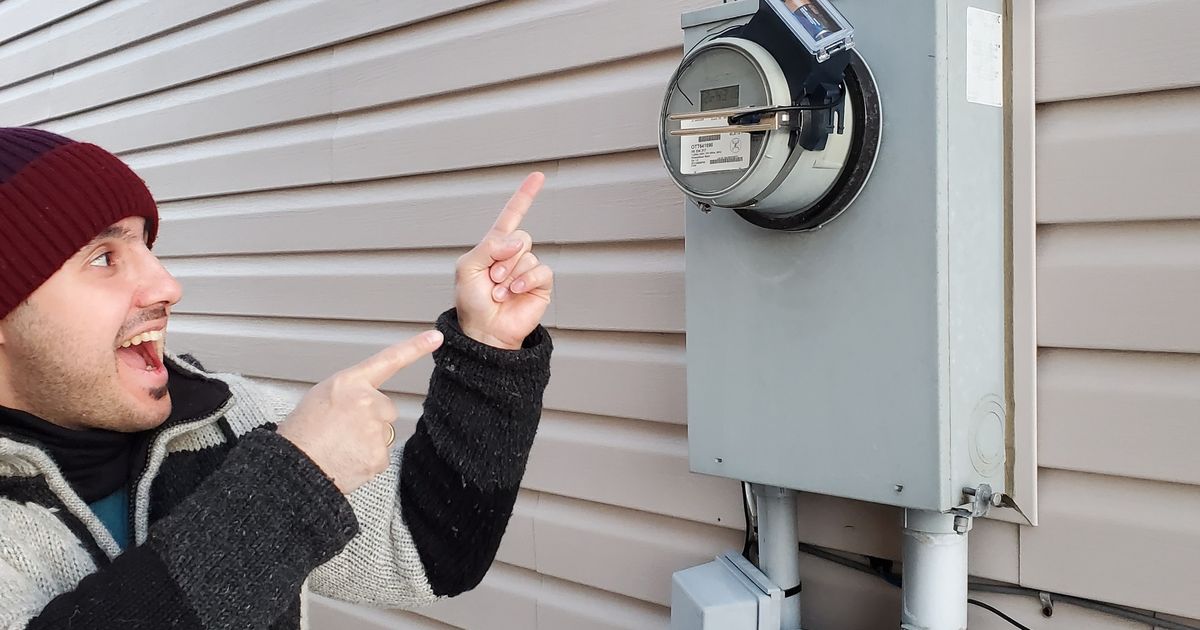
Are you tired of sky-high energy bills? Do you ever wonder where all your electricity is going? Understanding your energy consumption is the first step towards a more sustainable and cost-effective home.
Smart home energy monitoring provides real-time insights into your energy usage, empowering you to make informed decisions about how you consume power. It's no longer just about saving money; it's about contributing to a greener future, optimizing your home battery storage, and ensuring reliable backup power systems when you need them most. Even small adjustments can make a significant impact on your overall energy savings.
One simple step to get started is to identify your biggest energy consumers. Use a smart plug with energy monitoring capabilities on appliances like your refrigerator, washing machine, or entertainment system. Track their energy consumption over a week to pinpoint energy hogs and areas for improvement.
Step-by-Step Guide to Smart Home Energy Monitoring
Smart home energy monitoring systems are revolutionizing the way we interact with electricity. By providing detailed data and actionable insights, these systems allow homeowners to take control of their energy consumption, reduce their carbon footprint, and optimize their home battery storage solutions. Implementing such a system may seem daunting, but by following a structured approach, you can easily integrate it into your home and begin reaping the benefits. This guide will walk you through each step, from choosing the right system to analyzing your data and making informed changes.
Choosing the Right Smart Home Energy Monitoring System
The market offers a diverse range of smart home energy monitoring solutions. From whole-house systems that track energy usage at the circuit level to individual smart plugs that monitor specific appliances, the options can be overwhelming. Consider the following factors when making your selection: Whole-House vs. Appliance-Level Monitoring:Whole-house systems offer a comprehensive overview of your energy consumption, while appliance-level monitoring provides detailed insights into the energy usage of individual devices. Determine which level of granularity best suits your needs. For homeowners looking to maximize energy savings and optimize their home battery storage, a whole-house system provides the most complete picture.
Wired vs. Wireless: Wired systems typically offer more reliable data transmission, but require professional installation. Wireless systems are easier to install but may be susceptible to interference. Evaluate the pros and cons of each option based on your home's infrastructure and technical expertise. If you are integrating with a home battery storage solution, ensure compatibility with the inverter and battery management system.
Compatibility: Ensure the system is compatible with your existing smart home ecosystem (e.g., Amazon Alexa, Google Assistant, Apple Home Kit). This allows for seamless integration and centralized control of your smart home devices.
Cost: Smart home energy monitoring systems range in price from a few dollars for a smart plug to several hundred dollars for a whole-house system. Set a budget and compare the features and capabilities of different systems within your price range. Remember to factor in installation costs if you opt for a wired system.
Data Visualization and Reporting: A user-friendly interface with clear data visualization and reporting is essential for effective energy management. Look for systems that offer customizable dashboards, detailed energy breakdowns, and actionable insights.
Installing Your Smart Home Energy Monitoring System
Once you've selected the right system, the next step is installation. The installation process varies depending on the type of system you choose.
Smart Plugs: Installing smart plugs is as simple as plugging them into an outlet and connecting them to your Wi-Fi network. Follow the manufacturer's instructions for setup and configuration.
Whole-House Systems (DIY): Some whole-house systems are designed for DIY installation. These systems typically involve attaching sensors to your electrical panel using non-invasive current clamps. While DIY installation can save money, it requires a basic understanding of electrical systems and safety precautions. Always turn off the main breaker before working on your electrical panel.
Whole-House Systems (Professional Installation): For complex whole-house systems, professional installation is recommended. A qualified electrician can ensure the system is installed safely and correctly. This is particularly important for systems that require wiring directly into your electrical panel. Consider this when integrating with backup power systems.
Example: John decided to install a whole-house energy monitoring system to better understand his energy consumption. He opted for a wireless system with DIY installation. After carefully reading the instructions and turning off the main breaker, he successfully installed the sensors on his electrical panel.
Understanding Your Energy Data
After installation, the real work begins: analyzing your energy data. Your smart home energy monitoring system will provide a wealth of information about your energy consumption.
Identify Energy Hogs: Use the system to identify appliances and devices that consume the most energy. Look for patterns and trends in your energy usage. For example, you might discover that your old refrigerator is a major energy hog or that your air conditioner consumes a significant amount of energy during peak hours.
Track Energy Usage Over Time: Monitor your energy usage over days, weeks, and months to identify trends and patterns. This can help you understand how your energy consumption changes with the seasons and how your energy-saving efforts are paying off. Understanding seasonal energy usage is also vital for planning your home battery storage capacity.
Set Goals and Track Progress: Set realistic energy-saving goals and track your progress over time. Use the system to monitor your energy consumption and identify areas where you can make further improvements.
Utilize Real-Time Monitoring: Many systems offer real-time monitoring capabilities, allowing you to see how much energy you're using at any given moment. This can be useful for identifying phantom loads (devices that consume energy even when they're turned off) and for making on-the-spot adjustments to your energy consumption.
Optimizing Energy Usage and Saving Money
Once you understand your energy data, you can start making changes to optimize your energy usage and save money. Here are some actionable tips: Replace Inefficient Appliances:Replace old, inefficient appliances with Energy Star-certified models. Energy Star appliances use significantly less energy than their older counterparts, and can save you money on your energy bills over the long term.
Adjust Your Thermostat: Adjust your thermostat to save energy on heating and cooling. Lowering your thermostat by a few degrees in the winter and raising it by a few degrees in the summer can make a significant difference in your energy consumption. Consider a smart thermostat that can automatically adjust the temperature based on your schedule and occupancy.
Unplug Electronics When Not in Use: Many electronics continue to consume energy even when they're turned off. Unplug electronics when you're not using them to eliminate phantom loads. Use power strips to easily turn off multiple devices at once.
Optimize Lighting: Replace incandescent light bulbs with LED bulbs. LED bulbs use significantly less energy than incandescent bulbs and last much longer. Use natural light whenever possible.
Improve Insulation: Improve your home's insulation to reduce heat loss in the winter and heat gain in the summer. This can help you save energy on heating and cooling.
Consider Renewable Energy at Home: Explore options for generating your own renewable energy at home, such as solar panels. Solar panels can significantly reduce your reliance on grid electricity and save you money on your energy bills. Plus, integrating solar with home battery storage can provide backup power during outages and maximize your energy independence.
How can I reduce phantom loads?
Phantom loads, also known as vampire loads, are the energy consumed by electronics even when they are turned off. Here's how to minimize them: Unplug devices: The simplest way is to unplug electronics when not in use, especially chargers and appliances with standby modes. Use power strips: Plug multiple devices into a power strip and turn off the entire strip when not needed. Choose energy-efficient models:Look for devices with low standby power consumption when purchasing new electronics.
What are the benefits of using a smart thermostat?
Smart thermostats offer several advantages in terms of energy efficiency: Programmable schedules: Set different temperatures for different times of the day based on your routine. Remote control: Adjust the temperature from anywhere using a smartphone app. Learning capabilities: Some smart thermostats learn your preferences and automatically adjust the temperature to optimize comfort and energy savings. Geofencing: Automatically adjust the temperature when you leave or approach your home.
Home Battery Storage Integration
For homeowners with home battery storage, smart energy monitoring becomes even more valuable. These systems can optimize battery usage, predict potential outages, and even automate switching to backup power systems.
Optimizing Battery Life and Maintenance: Smart monitoring helps you understand how your battery is being used, ensuring it’s charged and discharged efficiently. This prolongs battery life and minimizes maintenance needs. For instance, you can set schedules to charge your battery during off-peak hours when electricity is cheaper.
Predictive Analytics for Outages: Some advanced systems use historical data and weather forecasts to predict potential power outages. This allows you to proactively charge your battery, ensuring you have ample backup power when needed.
Automated Switching: In the event of an outage, smart energy monitoring can automatically switch your home to battery power, providing seamless backup power and keeping essential appliances running.
Example: Sarah installed solar panels and a home battery storage system. With smart energy monitoring, she was able to track her energy production and consumption in real time. She set her system to prioritize using solar energy during the day and charging her battery during off-peak hours. During a recent power outage, her home seamlessly switched to battery power, keeping her lights on and refrigerator running.
Maintaining Your Smart Home Energy Monitoring System
Like any technology, smart home energy monitoring systems require occasional maintenance to ensure accurate data and optimal performance.
Check for Software Updates: Regularly check for software updates and install them to ensure your system is running smoothly and has the latest features.
Calibrate Sensors: Some systems may require periodic calibration to ensure accurate readings. Consult the manufacturer's instructions for calibration procedures.
Clean Sensors: Keep sensors clean and free of dust and debris. This can help ensure accurate readings.
Monitor Battery Life (if applicable): If your system uses batteries, monitor their battery life and replace them as needed.
Check Wi-Fi Connection: Ensure your system has a stable Wi-Fi connection. A weak or intermittent Wi-Fi connection can lead to inaccurate data and unreliable performance.
Take control of your home energy consumption with our step-by-step guide to smart home energy monitoring. Learn how to choose the right system, install it effectively, understand your data, and optimize your energy usage for maximum savings and sustainability.
FAQ Section:
What is smart home energy monitoring?
Smart home energy monitoring involves using technology to track and analyze your home's energy consumption. These systems provide real-time data and insights, enabling you to identify energy-saving opportunities and reduce your carbon footprint.
How much does a smart home energy monitoring system cost?
The cost can vary significantly, ranging from a few dollars for individual smart plugs to several hundred dollars for whole-house systems. Factors influencing the cost include the system's complexity, installation requirements, and brand reputation.
Is it difficult to install a smart home energy monitoring system?
The difficulty depends on the type of system. Smart plugs are incredibly easy to install, while whole-house systems may require more technical expertise. Some homeowners choose professional installation for complex systems to ensure safety and accuracy.
How can smart home energy monitoring help me save money?
By providing detailed insights into your energy consumption, these systems allow you to identify energy-wasting appliances and habits. This enables you to make informed decisions about energy usage, reduce waste, and ultimately lower your energy bills. Furthermore, by optimizing your energy usage, you can better utilize home battery storage systems to lower your draw from the grid.
Can smart home energy monitoring help with renewable energy at home?
Yes, it can. It allows you to track the energy produced by your renewable energy systems (like solar panels) and optimize its use. You can monitor how much energy you're generating, how much you're consuming, and how much you're sending back to the grid, helping you maximize your renewable energy investment.
Implementing smart home energy monitoring is a powerful step towards a more sustainable and cost-effective lifestyle. By understanding your energy consumption, you can make informed decisions that benefit both your wallet and the environment. The journey to energy efficiency starts with knowledge, and these systems provide the data you need to take control. Start small, stay consistent, and watch your energy savings grow.