
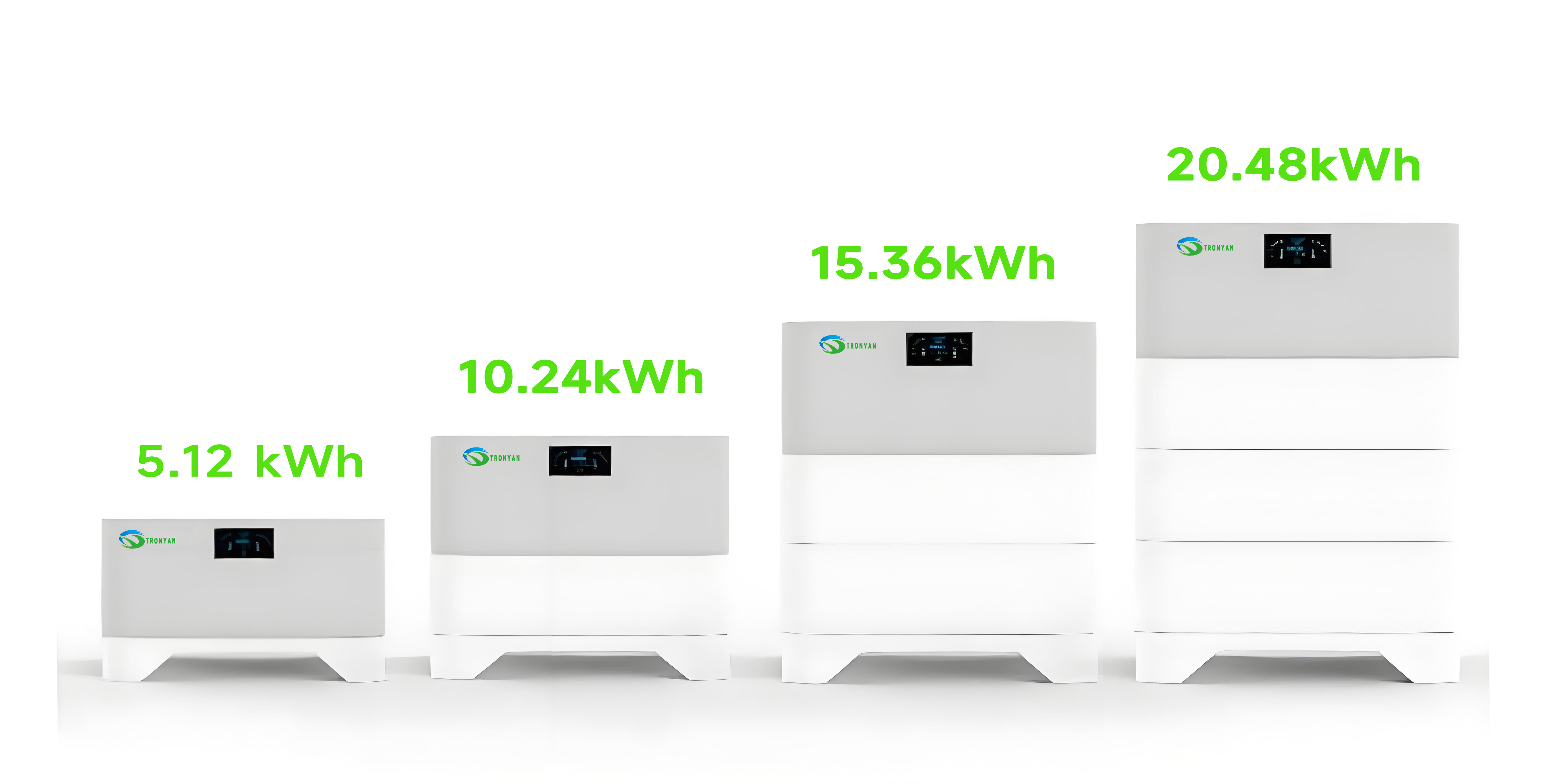
Are you ready to take control of your energy bills and ensure your home stays powered, even when the grid goes down? Imagine a system that not only saves you money but also contributes to a greener planet.
This guide explores the world of smart home energy systems with battery storage, a game-changer for homeowners looking to maximize energy efficiency and resilience. We'll break down the technology, benefits, and practical steps to integrate these systems into your home. One of the quickest ways to start saving energy right now is to switch to LED lighting throughout your home. It's a simple upgrade that offers significant long-term energy savings.
Understanding Smart Home Energy Systems with Battery Storage
Smart home energy systems with battery storage are integrated solutions that combine renewable energy sources (like solar panels), a home battery storage system, and smart controls to optimize energy usage. They're designed to help homeowners reduce their reliance on the grid, lower energy costs, and ensure a reliable power supply during outages. These systems work by storing excess energy generated by solar panels in a battery for later use, allowing you to power your home with clean, renewable energy even when the sun isn't shining. Beyond the financial benefits, adopting these systems significantly reduces your carbon footprint, contributing to a more sustainable future.
Key Components of a Smart Home Energy System
Solar Panels: These capture sunlight and convert it into electricity. The size and type of solar panel system will depend on your energy needs and available roof space.
Battery Storage System: This stores the excess electricity generated by the solar panels, allowing you to use it later when solar production is low or during a power outage.
Inverter: This converts the DC electricity generated by the solar panels and stored in the battery into AC electricity, which is used to power your home.
Energy Management System (EMS): This is the "brain" of the system, monitoring energy production and consumption, and automatically switching between different energy sources (solar, battery, and grid) to optimize energy usage and minimize costs.
Smart Home Integration: Connects the energy system with other smart home devices, allowing for automated energy management based on your preferences and real-time conditions. For example, you could program your system to charge your electric vehicle primarily using solar energy.
Benefits of Integrating Battery Storage
The advantages of integrating home battery storage extend far beyond simply having backup power. Here's a closer look: Energy Savings:By storing excess solar energy and using it during peak hours when electricity prices are highest, you can significantly reduce your energy bills. Many utility companies also offer time-of-use rates, which incentivize using less energy during peak demand. With a battery storage system, you can shift your energy consumption to off-peak hours and save money.
Backup Power: Battery storage provides a reliable source of power during grid outages, ensuring that essential appliances and devices continue to function. This can be particularly important in areas prone to power outages due to weather events or other disruptions. Imagine having lights, refrigeration, and communication devices working seamlessly while your neighbors are in the dark.
Increased Energy Independence: Reduce your reliance on the grid and gain more control over your energy supply. With a robust solar and battery system, you can become largely self-sufficient, minimizing your exposure to fluctuating energy prices and grid instability.
Environmental Benefits: By using renewable energy and reducing your reliance on fossil fuels, you can significantly lower your carbon footprint and contribute to a more sustainable future.
Grid Services & Incentives: In some areas, you can participate in grid services programs, where you allow the utility company to draw power from your battery during peak demand. In return, you receive financial incentives. Furthermore, many states and local governments offer rebates and tax credits for installing solar and battery storage systems, making them even more affordable.
Factors to Consider When Choosing a Battery
Capacity: The amount of energy the battery can store (measured in kilowatt-hours or k Wh). Power: The rate at which the battery can deliver power (measured in kilowatts or k W). Lifespan: The number of charge and discharge cycles the battery can handle before its performance degrades. Depth of Discharge (Do D): The percentage of the battery's capacity that can be used before it needs to be recharged. Warranty:The length and coverage of the manufacturer's warranty.
Optimizing Your Smart Home Energy System
Getting the most out of your smart home energy system with battery storage requires careful planning and ongoing optimization.
Conduct an Energy Audit: Before installing any equipment, assess your energy consumption patterns to determine the appropriate size of the solar panel and battery system. This will help you avoid overspending on a system that's too large or underspending on one that's too small.
Work with a Qualified Installer: Choose a reputable and experienced installer who can properly design and install your system. They should be able to assess your site, recommend the right equipment, and ensure that the installation meets all applicable codes and regulations. Look for installers with certifications from organizations like the North American Board of Certified Energy Practitioners (NABCEP).
Monitor Your System Performance: Use the energy management system to track your energy production, consumption, and battery storage levels. This will help you identify areas where you can improve your energy efficiency and optimize your system's performance.
Consider Smart Home Integration: Connect your energy system with other smart home devices, such as smart thermostats, lighting systems, and appliances, to automate energy management and further reduce your energy consumption. For instance, you could program your smart thermostat to automatically lower the temperature when the battery is low or to pre-cool your home during peak solar production hours.
Battery Life and Maintenance
Extending the life of your battery is crucial for maximizing your investment. Here are some tips: Follow Manufacturer Recommendations: Adhere to the manufacturer's guidelines for charging, discharging, and operating the battery. Maintain Optimal Temperature: Batteries perform best within a specific temperature range. Protect your battery from extreme heat or cold. If possible, install it in a climate-controlled environment. Regular Inspections: Periodically inspect the battery for any signs of damage or corrosion. Clean the terminals as needed. Software Updates: Keep the battery's software up to date to ensure optimal performance and compatibility with other system components. Avoid Deep Discharges:While modern batteries are more resilient, frequently discharging the battery to very low levels can shorten its lifespan.
Real-World Examples and Case Studies
Let's look at some examples of how smart home energy systems with battery storage are making a difference: California Homeowner:A homeowner in California installed a solar panel system with a battery storage system to offset their high electricity bills. They were able to reduce their energy costs by 70% and had backup power during several grid outages caused by wildfires.
Texas Business Owner: A business owner in Texas installed a solar and battery system to protect their operations from power outages caused by extreme weather events. The system allowed them to maintain critical functions during a prolonged outage, preventing significant financial losses.
Vermont Family: A family in Vermont participated in a grid services program, allowing the utility company to draw power from their battery during peak demand. They received financial incentives for their participation, further reducing their energy costs.
These examples demonstrate the diverse benefits of smart home energy systems with battery storage, from reducing energy costs and providing backup power to supporting grid stability and promoting renewable energy.
People Also Ask (FAQs)
How much does a smart home energy system with battery storage cost? The cost varies depending on the size of the solar panel system, the capacity of the battery, and the complexity of the installation. However, government incentives and tax credits can significantly reduce the overall cost. How long does a battery last?The lifespan of a battery depends on several factors, including the type of battery, the frequency of use, and the depth of discharge. Most batteries have a lifespan of 10-15 years. Can I add battery storage to an existing solar panel system?Yes, you can add battery storage to an existing solar panel system. However, it's important to ensure that the battery is compatible with your existing inverter and that the system is properly configured. What happens to my solar panels if the grid goes down without a battery?Without a battery, your solar panels will typically shut down during a grid outage to prevent backfeeding electricity into the grid, which could be dangerous for utility workers. How do I find a qualified installer?Look for installers with certifications from organizations like NABCEP and check online reviews and testimonials. Be sure to get multiple quotes and compare their experience, pricing, and warranties.
Taking the leap into smart home energy with battery storage might seem daunting, but the long-term benefits are undeniable. With careful planning and the right resources, you can create a sustainable, resilient, and cost-effective energy solution for your home. Embrace the power of energy independence and contribute to a brighter future – one solar panel and battery at a time.