
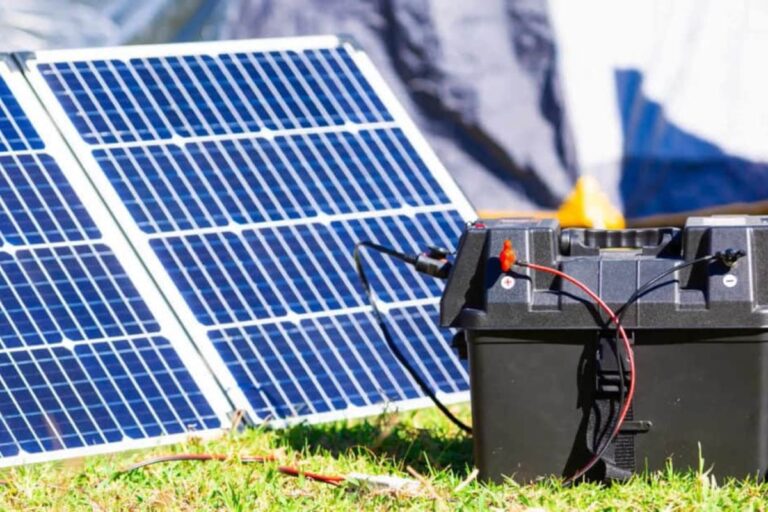
Are you tired of rising energy bills and the nagging feeling that you're not in control of your home's power? Imagine being able to store excess solar energy during the day and use it at night, or having a reliable backup power system during an outage. Home battery storage offers homeowners a way to take control of their energy consumption, reduce their carbon footprint, and increase their energy independence.
This guide provides a comprehensive, step-by-step walkthrough of installing a home battery storage system. We'll cover everything from assessing your energy needs and choosing the right battery to installation best practices and maintenance tips. By understanding the process, you can make informed decisions and ensure a smooth transition to a more sustainable and resilient home energy setup.
Evaluating Your Energy Needs and Goals
The first step towards installing a home battery storage system is understanding your individual energy needs and what you hope to achieve with the system. Are you primarily interested in energy savings, backup power, or a combination of both? Accurately evaluating your usage patterns is essential for selecting the right battery size and ensuring it meets your requirements.
Here's how to begin: Analyze Your Energy Bills: Review your electricity bills for the past 12 months. Pay attention to your average daily and monthly energy consumption (measured in kilowatt-hours or k Wh) and any seasonal variations. This will give you a baseline understanding of your energy usage. Identify Peak Usage Times: Note the times of day when your energy consumption is highest. This is often during the morning and evening hours when you're using appliances, lighting, and HVAC systems. Understanding your peak usage will help determine the battery's discharge rate requirements. Consider Backup Power Needs: Evaluate which appliances and devices you want to keep running during a power outage. Essential items might include refrigerators, medical equipment, lighting, and communication devices. Estimate the total power consumption of these devices to determine the necessary battery capacity for backup power. Think About Future Expansion: Consider your future energy needs. Are you planning to add electric vehicles, solar panels, or other energy-consuming appliances? If so, factor in the potential increase in energy consumption when sizing your battery system.
By carefully evaluating your energy needs, you can select a home battery storage system that is appropriately sized to meet your current and future requirements, maximizing energy savings and ensuring reliable backup power.
Selecting the Right Battery for Your Home
Choosing the right battery is crucial for optimal performance and long-term satisfaction. Several factors come into play, including battery type, capacity, power output, and warranty. Let's explore the key considerations: Battery Type: Lithium-ion batteries are the most common type for home energy storage due to their high energy density, long lifespan, and relatively low maintenance requirements. However, other options such as lead-acid and flow batteries are also available, each with its own pros and cons. Capacity (k Wh): Battery capacity refers to the total amount of energy the battery can store. A higher capacity battery can power your home for longer periods or store more excess solar energy. Choose a capacity that aligns with your energy needs and backup power requirements. Power Output (k W): Power output refers to the rate at which the battery can deliver energy. Ensure the battery's power output is sufficient to meet the simultaneous power demands of the appliances and devices you want to run. Depth of Discharge (Do D): Do D indicates the percentage of the battery's capacity that can be used without damaging it. Lithium-ion batteries typically have a high Do D (80-90%), meaning you can use most of their capacity. Lifespan and Warranty:Check the battery's cycle life (the number of charge-discharge cycles it can endure) and the warranty terms. A longer cycle life and a comprehensive warranty indicate a more durable and reliable battery.
Real-World Example: The Smith family installed a 13.5 k Wh lithium-ion battery with a 5 k W power output. This size was carefully chosen to cover their evening energy usage and provide backup power for their refrigerator, lights, and internet router during occasional power outages. They also found that their home energy efficiency improved as a result of the installation.
Understanding Battery Chemistries
Different battery chemistries offer unique advantages. Lithium Iron Phosphate (LFP) batteries are known for their safety and long lifespan, while Nickel Manganese Cobalt (NMC) batteries offer higher energy density. Researching these differences will help you make an informed decision based on your specific needs and priorities.
Installation: A Step-by-Step Guide
Installing a home battery storage system is a complex process that typically requires a qualified electrician or installer. However, understanding the steps involved can help you prepare for the installation and ensure it's done correctly.
1.Planning and Permitting: Obtain the necessary permits from your local authorities before starting the installation. Your installer can assist with this process. Ensure that the chosen location for the battery system meets all safety and code requirements.
2.Mounting and Wiring: The battery system needs to be securely mounted on a wall or floor, following the manufacturer's instructions. An electrician will then connect the battery to your home's electrical panel and the solar panel system (if applicable).
3.Inverter Installation: The inverter converts the DC power from the battery into AC power that can be used by your home's appliances. The inverter is typically installed near the battery and connected to the electrical panel.
4.System Configuration and Testing: Once the physical connections are complete, the installer will configure the battery system's settings, such as charge and discharge rates, backup power settings, and communication protocols. Thorough testing is then conducted to ensure the system is operating correctly and safely.
5.Monitoring and Optimization: After installation, monitor the battery system's performance regularly. Most systems come with monitoring apps or web portals that allow you to track energy usage, battery status, and savings. Optimize the system's settings to maximize energy savings and backup power capabilities.
Important Tip: Always hire a licensed and insured installer with experience in home battery storage systems. This will ensure the installation is done safely and according to local codes.
Preparing Your Home for Installation
Before the installer arrives, clear the area where the battery will be located. Ensure there's adequate ventilation and that the space is free from obstructions. Also, gather your energy bills and any information about your solar panel system (if applicable) to share with the installer.
Maximizing Battery Life and Maintenance
Proper maintenance is essential for extending the life of your home battery storage system and ensuring optimal performance. Here are some key maintenance tips: Regular Inspections: Periodically inspect the battery system for any signs of damage or corrosion. Check the wiring, connections, and ventilation. Keep It Clean: Keep the battery system clean and free from dust and debris. Use a soft cloth to wipe down the battery and inverter. Monitor Performance: Regularly monitor the battery system's performance using the monitoring app or web portal. Look for any unusual patterns or errors. Follow Manufacturer's Recommendations: Adhere to the manufacturer's recommended maintenance schedule and procedures. Professional Service:Schedule regular maintenance checks with a qualified technician to ensure the system is operating optimally and to address any potential issues before they become major problems.
Example: The Jones family noticed a slight decrease in their battery's performance after a year of use. They contacted their installer, who identified and resolved a minor wiring issue. This proactive maintenance helped prevent a more significant problem and extended the battery's lifespan.
Understanding Battery Degradation
All batteries degrade over time. Factors like temperature, charge/discharge cycles, and depth of discharge affect battery life. Minimizing extreme temperatures and avoiding frequent deep discharges can help slow down degradation. Understanding the manufacturer's warranty terms regarding degradation is also crucial.
Understanding Home Energy Efficiency and Renewable Energy at Home
Home battery storage works best when paired with energy efficiency measures and renewable energy sources like solar panels. Improving your home's energy efficiency reduces your overall energy consumption, allowing the battery to provide backup power for longer periods and store more excess solar energy.
Energy Audits: Conduct a home energy audit to identify areas where you can improve energy efficiency. This might include adding insulation, sealing air leaks, and upgrading to energy-efficient appliances and lighting. Solar Panel Integration: Pairing a home battery storage system with solar panels allows you to store excess solar energy generated during the day and use it at night or during power outages. This maximizes energy independence and reduces reliance on the grid. Smart Home Energy Management:Utilize smart home devices and energy management systems to optimize energy consumption. These systems can automatically adjust thermostats, lighting, and appliance usage based on your preferences and energy prices.
By combining energy efficiency measures, renewable energy sources, and home battery storage, you can create a truly sustainable and resilient home energy system.
Frequently Asked Questions (FAQs)
How much does a home battery storage system cost?
The cost of a home battery storage system can vary widely depending on the battery capacity, power output, installation costs, and any applicable rebates or incentives. On average, a fully installed system can range from $10,000 to $20,000. However, government incentives and tax credits can significantly reduce the upfront cost. Research local and federal programs to see what incentives are available in your area.
How long will a home battery last during a power outage?
The duration a home battery will last during a power outage depends on the battery's capacity and the amount of energy you're using. A typical battery can power essential appliances like a refrigerator, lights, and internet router for several hours to a few days. To maximize battery life during an outage, prioritize essential devices and minimize energy consumption.
Can I install a home battery storage system myself?
While some homeowners may be tempted to install a home battery storage system themselves to save money, it's generally not recommended unless you're a qualified electrician with experience in battery installations. Improper installation can be dangerous and may void the warranty. Hiring a licensed and insured installer is the safest and most reliable option.
What happens to my home battery when the power grid is down?
When the power grid goes down, your home battery storage system automatically switches to backup power mode. This allows you to continue using essential appliances and devices without interruption. The battery will draw power from its stored energy to keep your lights on and your refrigerator running.
How can I improve my home energy efficiency?
Improving your home energy efficiency can significantly reduce your energy consumption and lower your electricity bills. Simple measures like sealing air leaks, adding insulation, and upgrading to energy-efficient appliances and lighting can make a big difference. Consider conducting a home energy audit to identify areas where you can improve energy efficiency.
By understanding these FAQs, you can better prepare for the installation of a home battery storage system and make informed decisions about your home energy needs.
Taking control of your home's energy is a worthwhile journey, and installing a home battery storage system is a significant step toward energy independence and sustainability. While the process may seem complex, with careful planning, the right equipment, and professional installation, you can enjoy the benefits of a resilient and efficient home energy system for years to come. Embrace the possibilities of renewable energy at home and unlock the potential for energy savings and backup power systems that put you in control.