
Are you tired of watching your hard-earned money disappear into energy bills? Or maybe you’re worried about power outages disrupting your life? The answer to both of these concerns might be closer than you think: home energy storage.
Home energy storage, in the form of batteries, is revolutionizing the way we power our homes. It allows you to capture and store electricity – whether from solar panels, the grid, or even a wind turbine – and use it when you need it most. This not only reduces your reliance on the utility company and saves you money, but it also provides a reliable backup power source during outages. In essence, it's about taking control of your energy future.
One simple thing you can do right now to assess your home's energy needs is to track your energy consumption for a week. Note when you use the most electricity and identify potential areas for energy savings. This will give you a better understanding of how home battery storage could benefit you.
A Beginner’s Guide to Home Energy Storage
Home energy storage is more than just a trend; it's a practical solution for homeowners looking to improve their energy independence, reduce costs, and increase their resilience. This guide will walk you through the basics of home energy storage, helping you understand the different types of batteries, how they work, and what to consider when choosing the right system for your home.
Why Consider Home Battery Storage?
The benefits of home battery storage are compelling and far-reaching. Let's explore some key advantages: Cost Savings: By storing energy when it's cheap (like during off-peak hours or when your solar panels are producing excess power) and using it when it's expensive, you can significantly reduce your electricity bills. You're essentially shifting your energy consumption to more economical times. Backup Power: A home battery system provides a reliable source of backup power during grid outages. This can be crucial for powering essential appliances, medical equipment, and keeping your home comfortable during emergencies. Increased Energy Independence: With home battery storage, you're less reliant on the utility grid. You become more self-sufficient in meeting your energy needs, reducing your vulnerability to price fluctuations and grid instability. Environmental Benefits: By using renewable energy and storing it for later use, you're reducing your carbon footprint and contributing to a cleaner, more sustainable future. Home battery storage perfectly complements renewable energy at home. Grid Services:In some areas, you can even participate in grid services programs. This means your battery can provide support to the grid during peak demand, and you can get paid for it!
Understanding the Basics of Home Batteries
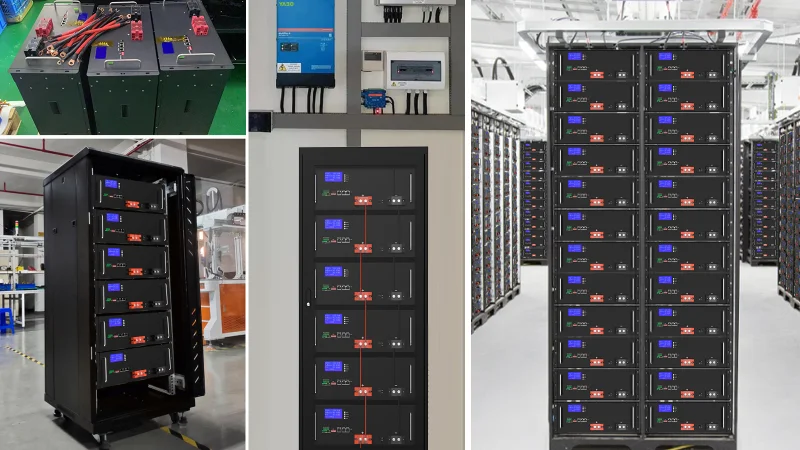
At its core, a home battery system consists of a rechargeable battery, an inverter, and a control system. The battery stores the electrical energy, the inverter converts the direct current (DC) from the battery into alternating current (AC) that powers your home, and the control system manages the charging and discharging process.
There are different types of battery technologies available for home energy storage, each with its own advantages and disadvantages.
Lithium-ion Batteries: These are the most common type of home battery. They offer high energy density, long lifespan, and relatively low cost. Think of the battery in your phone, but much larger and more powerful. Lead-Acid Batteries: These are a more traditional option. They are generally less expensive upfront but have a shorter lifespan and lower energy density than lithium-ion batteries. They also require more maintenance. Flow Batteries:These are a newer technology that offers long lifespans and high scalability. However, they are typically more expensive than lithium-ion batteries.
Battery Capacity and Power
When evaluating home battery storage options, you'll encounter terms like "capacity" and power.Understanding the difference is essential for choosing the right system for your needs.
Capacity (k Wh): This refers to the total amount of energy the battery can store. A higher capacity means you can store more energy and power your home for longer. Power (k W): This refers to the rate at which the battery can deliver energy. A higher power rating means you can run more appliances simultaneously.
For example, a battery with a capacity of 10 k Wh and a power rating of 5 k W can provide 5 k W of power for 2 hours, or 2.5 k W of power for 4 hours.
Choosing the Right Home Battery System
Selecting the right home battery system is a crucial decision that requires careful consideration of your specific needs and circumstances. Here’s what you should consider: Energy Consumption: Analyze your household's energy consumption patterns. How much electricity do you use daily? When do you use the most energy? Understanding your energy consumption will help you determine the appropriate battery capacity. Backup Power Needs: Identify which appliances and devices you want to power during an outage. Prioritize essential loads like refrigerators, medical equipment, and lighting. This will help you determine the required power rating of the battery. Solar Panel System: If you have solar panels, consider how the battery will integrate with your solar system. A battery can store excess solar energy generated during the day and use it at night or during cloudy periods. Budget: Home battery storage systems can range in price from a few thousand dollars to tens of thousands, depending on the capacity and features. Determine your budget and find a system that meets your needs without breaking the bank. Installation: Home battery systems require professional installation. Work with a qualified installer who can assess your home's electrical system and ensure proper installation and connection. Warranty and Maintenance: Check the battery's warranty and maintenance requirements. A longer warranty provides peace of mind, and understanding the maintenance needs will help you keep your battery in optimal condition. Consider battery life and maintenance as key decision-making criteria.
Sizing Your Battery System: A Practical Example
Let’s say you want to power your refrigerator (150W), some lights (100W), and a small fan (50W) during a power outage. You estimate you need backup power for about 8 hours.
1.Total Power Consumption: 150W + 100W + 50W = 300W =
0.3 k W
2.Energy Needed:
0.3 k W x 8 hours =
2.4 k Wh
Therefore, you would need a battery with a capacity of at least 2.4 k Wh to power these essential appliances for 8 hours. However, it’s always a good idea to add a buffer for safety and potential future needs. A 3-5 k Wh battery might be a more suitable option.
Installation and Maintenance
Installing a home battery system is not a DIY project. It requires working with electricity and ensuring proper connections. Here's what you can expect during the installation process:
1.Site Assessment: A qualified installer will assess your home's electrical system and determine the best location for the battery.
2.Permitting: The installer will obtain the necessary permits from your local authorities.
3.Installation: The installer will connect the battery to your home's electrical system and integrate it with your solar panels (if applicable).
4.Testing and Commissioning: The installer will test the system to ensure it's working properly and commission it for operation.
Battery Life and Maintenance Tips
Regular Inspections: Periodically inspect the battery for any signs of damage or corrosion. Keep it Clean: Keep the battery and its surroundings clean and free of debris. Follow Manufacturer's Recommendations: Adhere to the manufacturer's recommendations for maintenance and operation. Monitor Performance: Monitor the battery's performance and identify any potential issues early on. Professional Servicing: Schedule regular professional servicing to ensure the battery is functioning optimally. Temperature control: Extreme temperatures can shorten the life of your battery. Consider installing your battery in a temperature-controlled environment.
Smart Home Energy Management
Integrating your home battery system with smart home technology can further optimize your energy usage and enhance your savings. Smart home energy systems can automatically adjust your energy consumption based on real-time pricing signals and weather conditions.
For example, a smart thermostat can pre-cool your home using stored energy when electricity prices are low and reduce your reliance on the grid during peak hours. Smart appliances can also be programmed to run during off-peak times, maximizing your energy savings.
Case Studies: Real-World Examples
Let's look at a few real-world examples of how home battery storage can benefit homeowners: The Smith Family: The Smith family installed a 10 k Wh battery system with their solar panels. They now save over $500 per year on their electricity bills and have peace of mind knowing they have backup power during frequent power outages in their area. The Joneses: The Joneses use their home battery to participate in a demand response program. They get paid by their utility company to discharge their battery during peak demand events, earning them an extra $200 per year. The Davis Residence:The Davis residence lives off-grid and relies solely on solar and battery power. Their battery system allows them to live comfortably and sustainably, without being connected to the utility grid.
People Also Ask (FAQs)
How long will a home battery last?
The lifespan of a home battery depends on the type of battery and how it's used. Lithium-ion batteries typically last 10-15 years, while lead-acid batteries last 3-5 years. Factors like depth of discharge, temperature, and maintenance can also affect battery life.
How much does a home battery system cost?
The cost of a home battery system varies depending on the capacity, brand, and installation costs. A typical system can range from $5,000 to $20,000 or more. However, government incentives and tax credits can help offset the cost.
Can I install a home battery myself?
Installing a home battery system is not recommended for DIY enthusiasts. It requires specialized knowledge and experience to ensure proper and safe installation. It's best to hire a qualified installer.
Does a home battery system require maintenance?
Yes, home battery systems require some maintenance to ensure optimal performance and longevity. Regular inspections, cleaning, and professional servicing are recommended.
What happens to the battery when it reaches the end of its life?
Many battery manufacturers offer recycling programs for end-of-life batteries. These programs ensure that the batteries are properly disposed of and the valuable materials are recovered.
Navigating Incentives and Rebates
To make home energy storage more accessible, many government agencies and utility companies offer incentives and rebates. These incentives can significantly reduce the upfront cost of a battery system and make it more affordable.
Federal Tax Credit: The federal government offers a tax credit for a percentage of the cost of a qualified battery storage system. State and Local Incentives: Many states and local governments offer additional incentives and rebates for home energy storage. Utility Rebates:Some utility companies offer rebates to customers who install battery storage systems.
Researching and taking advantage of these incentives can save you a substantial amount of money on your home battery system.
Making the Switch to Home Energy Storage
The world of home energy storage can seem complex at first, but with a little research and planning, you can make informed decisions and choose the right system for your needs. By understanding the benefits, technologies, and considerations involved, you can empower yourself to take control of your energy future, save money, and contribute to a more sustainable world.
Investing in home battery storage is an investment in your energy independence and peace of mind. Take the first step towards a more sustainable and resilient home today!