
Are you constantly wondering where your money is going each month, especially when that energy bill arrives? Do you dream of a home powered by renewable energy and backed up by a reliable battery, but you're not sure where to even begin? You're not alone. Many homeowners are seeking greater control over their energy consumption and a deeper understanding of how their daily habits impact their wallets and the environment.
Home energy monitoring is the key to unlocking that control. It's the process of tracking your electricity usage in real-time, identifying energy hogs, and making informed decisions to reduce waste and boost your home energy efficiency. And the best part? You don't need to be an electrician or a tech guru to get started. With a few practical tips and readily available tools, you can embark on your DIY home energy monitoring journey today.
One simple starting point is to conduct an energy audit of your home. Walk through each room and identify appliances and electronics that consume the most power. Consider investing in a "kill-a-watt" meter to measure the actual energy usage of individual devices. This can be eye-opening and reveal hidden energy vampires sucking power even when turned off!
Practical Tips for DIY Home Energy Monitoring
Monitoring your home's energy doesn't need to be complicated or expensive. It’s about gaining insights that empower you to make smarter choices, leading to lower energy bills and a smaller carbon footprint. By understanding your energy consumption patterns, you can optimize your usage, identify areas for improvement, and even justify investments in renewable energy at home like solar panels and home battery storage.
Understanding Your Energy Bill: The First Step
Before diving into fancy gadgets, take a close look at your energy bill. This document contains a wealth of information about your past consumption.
Analyze Usage History: Most energy providers offer online portals where you can view your monthly energy consumption over the past year or more. Look for trends: Do you use more energy in the summer (due to air conditioning) or winter (due to heating)? Understand Rate Structures: Is your utility company using a tiered rate system, where the price per kilowatt-hour (k Wh) increases as you use more energy? Knowing this can motivate you to stay within the lower tiers. Identify Peak Demand:Some utilities charge extra for energy used during peak hours (typically late afternoon and early evening). Understanding these peak demand periods can help you shift your energy usage to off-peak times.
Low-Cost Tools and Techniques for Energy Monitoring
You don't need to spend a fortune to get started with home energy monitoring. Several affordable and easy-to-use tools can provide valuable insights.
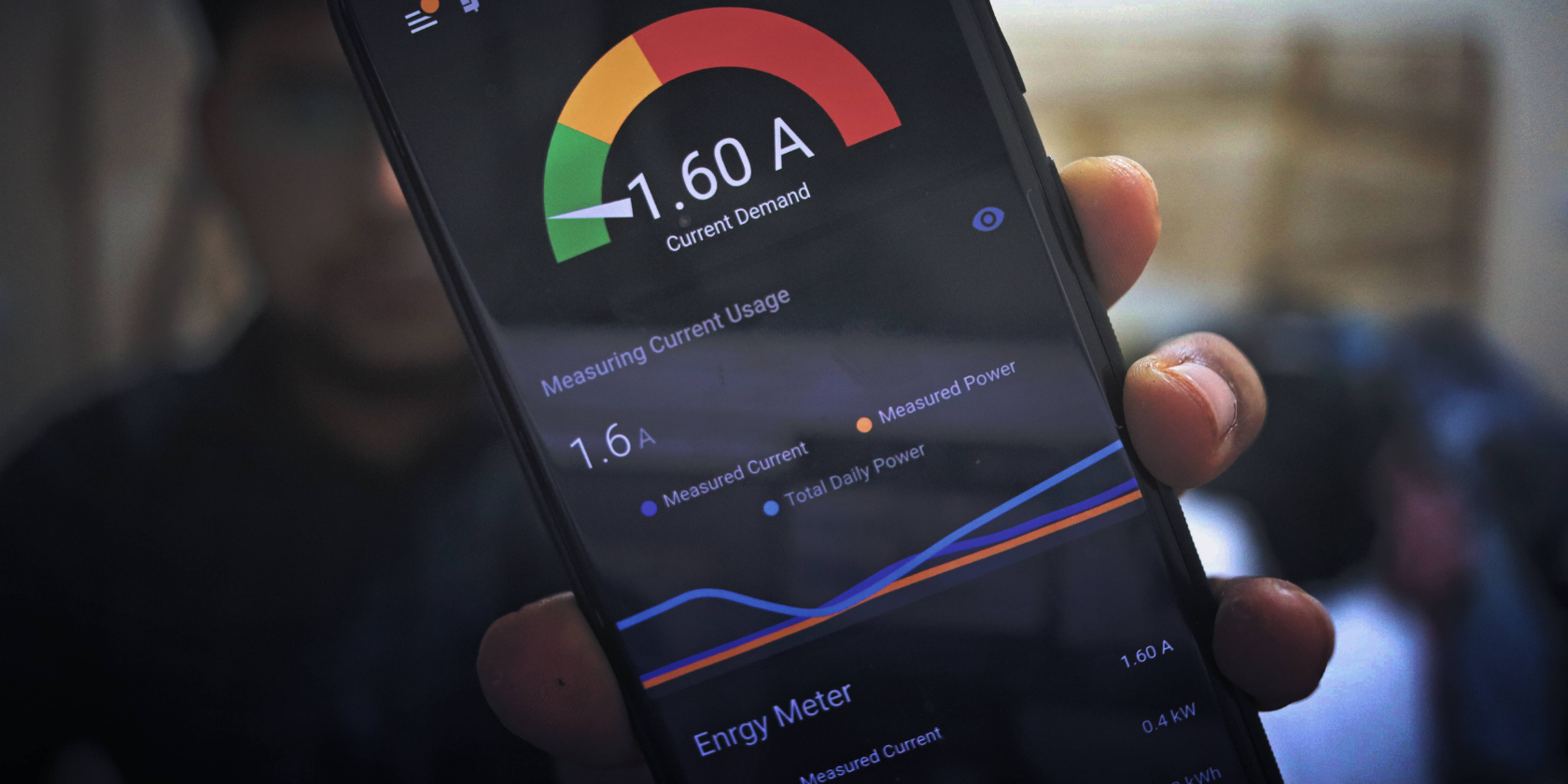
"Kill-A-Watt" Meter: This simple device plugs into a standard electrical outlet and measures the energy consumption of anything plugged into it. It's perfect for identifying energy-hogging appliances like old refrigerators or inefficient entertainment systems. Smart Power Strips: These power strips have built-in energy monitoring capabilities and can automatically shut off power to devices that aren't in use, preventing standby power drain. Energy Monitoring Apps: Many utility companies offer free apps that allow you to track your energy consumption in real-time and receive alerts when your usage exceeds a certain threshold.
Investing in Smart Home Energy Solutions
For more advanced energy monitoring and control, consider investing in smart home energy solutions. While these options require a larger upfront investment, they can provide significant long-term energy savings and enhance your home's overall efficiency.
Smart Thermostats: These thermostats learn your heating and cooling preferences and automatically adjust the temperature to optimize energy usage. Many models can be controlled remotely via a smartphone app. Smart Lighting: Replacing traditional light bulbs with LED smart bulbs can significantly reduce your energy consumption. Smart lighting systems also offer features like dimming, scheduling, and motion sensing. Whole-Home Energy Monitors:These devices are installed in your electrical panel and provide real-time data on your entire home's energy consumption. They can identify energy hogs and alert you to potential problems, such as a malfunctioning appliance. Consider combining this with home battery storage to further optimize your renewable energy at home.
DIY Energy Audits: Identifying Energy Waste
A simple DIY energy audit can reveal hidden sources of energy waste in your home.
1.Inspect Insulation: Check the insulation in your attic, walls, and crawl spaces. Adequate insulation is crucial for preventing heat loss in the winter and heat gain in the summer.
2.Seal Air Leaks: Caulk and weatherstrip around windows and doors to seal air leaks. This can significantly reduce drafts and improve your home's energy efficiency.
3.Check Appliances: Ensure your appliances are operating efficiently. Clean refrigerator coils, unclog dryer vents, and regularly maintain your HVAC system.
4.Evaluate Lighting: Replace incandescent light bulbs with energy-efficient LED bulbs.
5.Unplug Electronics: Unplug electronics when not in use to prevent standby power drain.
Understanding Battery Life and Maintenance for Home Battery Storage
If you have or are considering home battery storage, monitoring battery life and practicing proper maintenance is crucial for maximizing its lifespan and performance.
Monitor State of Charge (SOC): Most battery systems have a monitoring system that displays the current SOC. Avoid consistently discharging the battery to very low levels, as this can shorten its lifespan. Check Battery Temperature: Extreme temperatures can negatively impact battery performance and lifespan. Ensure your battery is installed in a location with adequate ventilation and temperature control. Follow Manufacturer's Recommendations: Adhere to the manufacturer's recommended maintenance schedule, which may include tasks like checking connections and cleaning terminals. Regular Inspections: Periodically inspect the battery system for any signs of damage or corrosion. Address any issues promptly to prevent further problems.
The Role of Renewable Energy at Home
Home energy monitoring plays a vital role in maximizing the benefits of renewable energy sources like solar panels. By tracking your energy consumption, you can optimize your solar panel system's size and configuration to meet your specific needs. Furthermore, when combined with home battery storage, you can store excess solar energy for later use, reducing your reliance on the grid and increasing your energy independence.
People Also Ask: FAQs About Home Energy Monitoring
How much does it cost to install a whole-home energy monitor?
The cost of a whole-home energy monitor can vary depending on the brand, features, and installation complexity. Basic models can range from $100 to $300, while more advanced systems with professional installation can cost upwards of $500.
Can I monitor my energy usage if I live in an apartment?
Yes, you can still monitor your energy usage in an apartment. While you may not be able to install a whole-home energy monitor, you can use tools like "kill-a-watt" meters and smart power strips to track the energy consumption of individual appliances and electronics. Contact your building management for any restrictions.
What are the benefits of combining home energy monitoring with battery backup systems?
Combining home energy monitoring with battery backup systems allows you to optimize your energy usage, maximize the benefits of renewable energy sources, and ensure backup power during grid outages. You can track your battery's state of charge, monitor its performance, and adjust your energy consumption to extend its lifespan. Battery life and maintenance insights are essential to backup power systems.
How can home energy monitoring help me reduce my carbon footprint?
By identifying and eliminating energy waste, home energy monitoring can significantly reduce your carbon footprint. You can use the data you collect to make informed decisions about your energy consumption, such as switching to energy-efficient appliances, reducing standby power drain, and optimizing your heating and cooling habits.
Where can I find rebates or incentives for energy-efficient upgrades?
Many utility companies and government agencies offer rebates and incentives for energy-efficient upgrades, such as installing energy-efficient appliances, improving insulation, and purchasing renewable energy systems. Check with your local utility company and state energy office for available programs.
Taking control of your home's energy usage doesn't have to be daunting. By implementing these practical tips and utilizing readily available tools, you can gain valuable insights into your energy consumption patterns and make informed decisions to reduce waste, save money, and create a more sustainable home. Remember, every small step counts towards a more energy-efficient future! With the right approach, you can unlock significant energy savings and contribute to a greener planet.