
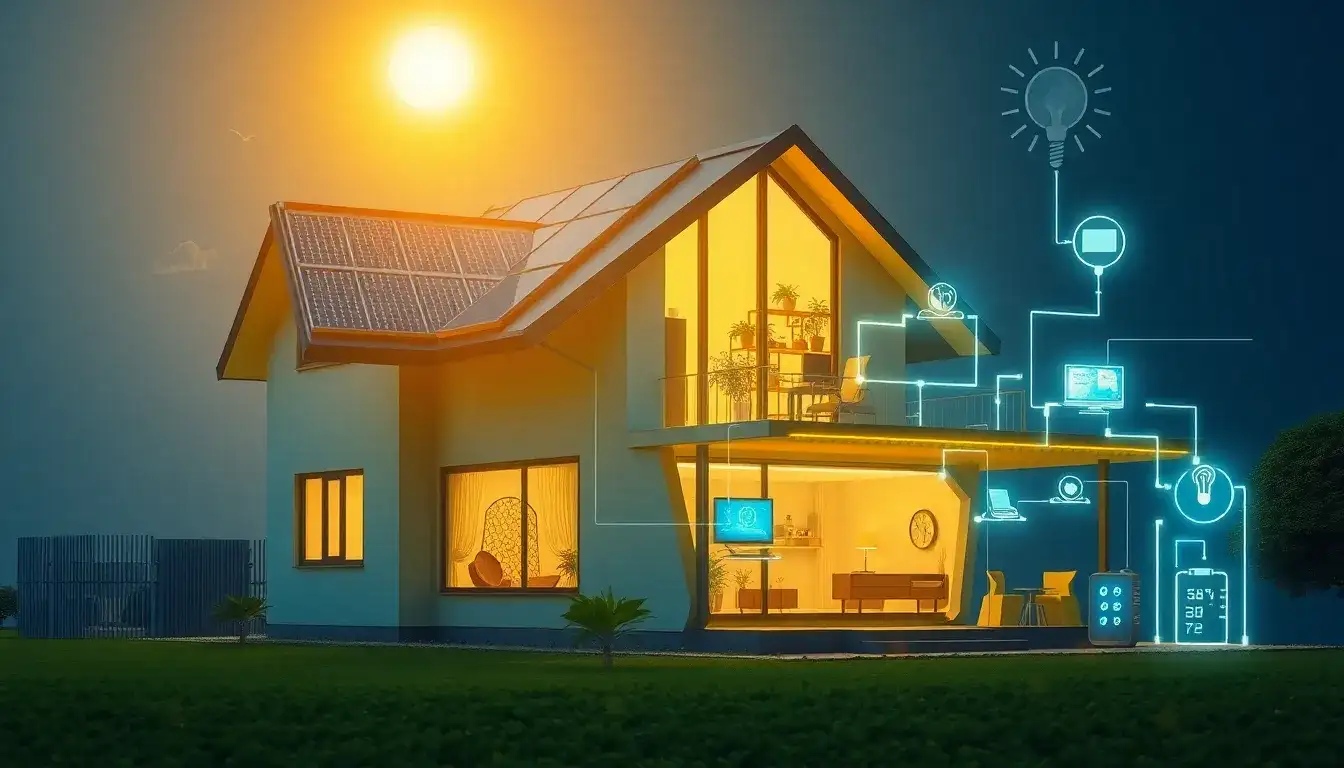
Are you ready to unlock even more potential from your solar panels? Harnessing the sun’s power is a fantastic first step toward energy independence, but pairing your solar array with a home battery system takes your renewable energy journey to the next level. Imagine maximizing your energy savings, having reliable backup power during outages, and contributing even more to a sustainable future.
This guide dives into how to optimize your solar energy system with home battery storage, helping you understand the benefits, make informed decisions, and get the most out of your investment. We'll explore key considerations for battery selection, installation, and maintenance, as well as practical strategies for maximizing energy savings and ensuring reliable backup power. Thinking about home energy efficiency is no longer a question, but a necessity!
Let's explore how to transform your solar setup into a truly resilient and efficient energy solution.
Maximizing Your Solar Investment with Battery Storage
Pairing solar panels with a home battery system is like giving your renewable energy setup a superpower. Solar panels generate electricity during the day, but what happens when the sun goes down or during a power outage? That's where battery storage comes in. It allows you to store excess solar energy generated during peak sunlight hours and use it later when you need it most. This maximizes self-consumption of your solar energy, reduces reliance on the grid, and provides valuable backup power during emergencies. It’s a crucial step towards achieving true energy independence and increasing your home energy efficiency. The investment you make now could greatly affect your energy bill in the future!
Understanding the Benefits
Increased Energy Independence: Reduce your reliance on the utility grid and become more self-sufficient. Backup Power: Enjoy peace of mind knowing you have a reliable power source during blackouts. Energy Savings: Maximize self-consumption of solar energy and minimize electricity bills. Environmental Benefits: Further reduce your carbon footprint by using more renewable energy. Grid Services (Potential):In some areas, you can participate in grid services programs and earn revenue by feeding stored energy back into the grid.
Choosing the Right Battery System
Selecting the right battery system for your home is a critical decision. Consider factors like your energy consumption, solar panel system size, desired backup power capacity, and budget. Different battery technologies, such as lithium-ion and lead-acid, have varying characteristics in terms of performance, lifespan, and cost.
Factors to Consider
Energy Consumption: Assess your household's energy usage patterns to determine the appropriate battery capacity. Look at your past energy bills to get an accurate picture of your needs. Solar Panel System Size: Ensure the battery system is compatible with your solar panel system's output. Backup Power Needs: Decide which appliances and devices you want to power during a blackout. This will influence the required battery capacity and power output. For example, do you only need to power essential appliances like the refrigerator and lights, or do you want to keep your entire home running? Battery Technology: Research different battery technologies, such as lithium-ion and lead-acid, and compare their performance, lifespan, and cost. Lithium-ion batteries are generally more efficient and have a longer lifespan, but they are also more expensive. Budget: Set a realistic budget for your battery system, including installation costs. Warranty: Carefully review the warranty terms offered by the manufacturer.
Lithium-Ion vs. Lead-Acid: A Quick Comparison
| Feature | Lithium-Ion | Lead-Acid |
|---|---|---|
| ---------------- | ------------------------------------------------ | --------------------------------------------------- |
| Lifespan | Longer (5-15 years) | Shorter (3-5 years) |
| Depth of Discharge | Higher (80-100%) | Lower (50%) |
| Efficiency | Higher (90-95%) | Lower (70-80%) |
| Maintenance | Minimal | Regular maintenance required |
| Cost | Higher upfront cost, lower cost per cycle | Lower upfront cost, higher cost per cycle |
| Size & Weight | More compact and lighter | Bulkier and heavier |
Optimizing Battery Performance and Lifespan
Once you have your battery system installed, proper operation and maintenance are essential for maximizing its performance and lifespan. Here are some practical tips: Monitor Battery Performance: Use your system's monitoring tools to track battery performance and identify any issues early on. Most modern battery systems come with user-friendly apps or web interfaces that provide real-time data on battery status, energy usage, and solar production. Avoid Deep Discharges: While lithium-ion batteries can handle deeper discharges than lead-acid batteries, consistently draining the battery to its absolute minimum can shorten its lifespan. Aim to maintain a healthy state of charge. Maintain Proper Temperature: Extreme temperatures can negatively impact battery performance and lifespan. Ensure your battery system is installed in a location with adequate ventilation and temperature control. Schedule Regular Maintenance: Follow the manufacturer's recommendations for routine maintenance, such as cleaning terminals and checking connections. Software Updates:Keep the battery system's software updated to ensure optimal performance and access to the latest features.
People Also Ask (FAQs)
How long will my home battery last during a power outage?
The duration that your home battery will last during a power outage depends on several factors, including the battery's capacity, the amount of energy you consume, and the number of appliances you're running. A typical home battery system can provide backup power for several hours to a few days. To estimate how long your battery will last, calculate your total energy consumption during an outage and divide the battery's capacity by that number. For example, a 10 k Wh battery powering a home that consumes 1 k Wh per hour will last approximately 10 hours.
Can I add more batteries to my system later?
In many cases, yes, you can add more batteries to your system later. However, it's essential to ensure that the new batteries are compatible with your existing system and that your inverter and charge controller can handle the additional capacity. Consult with a qualified solar installer to determine the best approach for expanding your battery storage.
What is the typical battery life and maintenance requirements for home battery storage?
Battery life varies depending on the technology and usage patterns. Lithium-ion batteries typically last 5-15 years, while lead-acid batteries last 3-5 years. Maintenance requirements are generally minimal for lithium-ion batteries, while lead-acid batteries may require periodic watering and cleaning. Always follow the manufacturer's recommendations for maintenance to ensure optimal performance and lifespan. Factors such as the depth of discharge, operating temperature, and charging habits can all affect battery life.
Integrating Your Battery with Smart Home Energy Management
Integrating your home battery system with smart home energy management systems can further optimize your energy usage and savings. Smart home devices and platforms allow you to automate energy consumption, monitor real-time energy data, and control your battery system remotely.
Smart Home Integration Benefits
Automated Energy Management: Automatically shift energy usage to off-peak hours or use stored battery power when electricity prices are high. Real-Time Monitoring: Track your energy consumption, solar production, and battery status in real-time. Remote Control: Control your battery system and other smart home devices from anywhere using your smartphone or tablet. Load Shedding: Automatically prioritize essential appliances during a power outage to extend battery runtime.
Example: Setting up Smart Load Shedding
1.Identify Essential Appliances: Determine which appliances are critical during a power outage (e.g., refrigerator, medical equipment, lights).
2.Connect to Smart Plugs: Connect non-essential appliances to smart plugs that can be controlled remotely.
3.Configure Automation: Set up rules in your smart home system to automatically turn off non-essential appliances when the battery level drops below a certain threshold.
4.Monitor Performance: Regularly monitor your system to ensure it's functioning as expected and adjust settings as needed.
Understanding Incentives and Rebates for Home Battery Storage
Many states, local governments, and utility companies offer incentives and rebates for home battery storage systems. These incentives can significantly reduce the upfront cost of your investment and make battery storage more accessible. Renewable energy at home has never been so affordable and attainable!
Finding Available Incentives
Database of State Incentives for Renewables & Efficiency (DSIRE): DSIRE is a comprehensive online resource for information on state, local, utility, and federal incentives and policies that support renewable energy and energy efficiency. Local Utility Company: Contact your local utility company to inquire about any available rebates or incentives for battery storage. Solar Installer:Your solar installer can also provide information on available incentives and assist you with the application process.
Example: The Federal Investment Tax Credit (ITC)
The Federal Investment Tax Credit (ITC) provides a significant tax credit for homeowners who install solar panels and battery storage systems. The ITC can cover a percentage of the total cost of the system, including installation. This can substantially lower the overall investment required for your renewable energy setup.
Optimizing your solar energy with home battery systems is a smart move towards greater energy independence, cost savings, and a more sustainable future. By carefully considering your energy needs, choosing the right battery system, and implementing effective optimization strategies, you can unlock the full potential of your solar investment. Don't wait—take control of your energy and embrace the benefits of solar and battery storage today!