
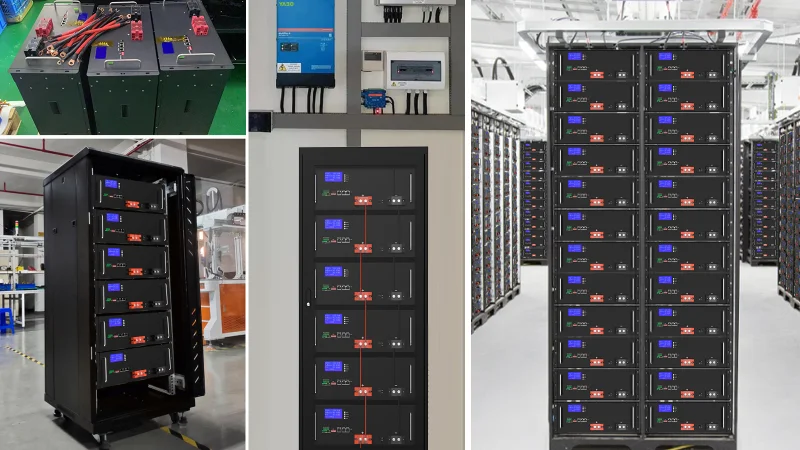
Are you tired of rising energy bills and concerned about power outages? Imagine a world where you have greater control over your energy consumption and a reliable backup power source when the grid goes down.
Choosing the right home energy storage system can seem daunting, but it's a worthwhile investment that offers energy savings, increased energy independence, and a reduced carbon footprint. By understanding your energy needs, exploring different battery types, and considering key factors like capacity, power output, and warranty, you can find the perfect system to complement your solar panels or simply ensure a more resilient home.
Start by assessing your current energy consumption. Take a look at your past utility bills to understand how much electricity you typically use each month. This will help you determine the size and capacity of the home battery storage system you need.
Guide to Choosing the Best Home Energy Storage System
Home battery storage is revolutionizing the way we power our lives. It allows homeowners to store excess energy generated from solar panels (or even draw power from the grid when rates are low) and use it later, during peak demand times or when the power grid fails. This not only saves money on your electricity bill but also reduces your reliance on fossil fuels, contributing to a cleaner and more sustainable future. Selecting the right system requires careful consideration of your energy needs, budget, and specific circumstances. Let's explore the key factors to help you make an informed decision.
Understanding Your Energy Needs
Before diving into the technical specifications of different home energy storage options, it’s crucial to understand your own energy consumption patterns. This will help you determine the optimal size and capabilities of the battery system you need.
Analyzing Your Energy Usage
Take a close look at your electricity bills for the past year. Note your average monthly consumption in kilowatt-hours (k Wh). Identify peak usage periods, which usually occur in the mornings and evenings when you're using more appliances. Also, consider any significant changes in your energy consumption due to factors like adding new appliances or changes in household size.
Estimating Backup Power Requirements
Think about what appliances and devices you absolutely need to power during a grid outage. Prioritize essential items like refrigerators, medical equipment, lights, and communication devices. Estimate the wattage of each of these devices and the number of hours you need to run them. This will help you determine the necessary backup power capacity of your battery system.
Pro Tip: Create a spreadsheet listing all the appliances you want to back up, their wattage, and the estimated runtime. This will provide a clear picture of your backup power needs.
Exploring Battery Technologies
Different battery technologies offer varying levels of performance, lifespan, and cost. Understanding the pros and cons of each type is essential for making the right choice for your home.
Lithium-Ion Batteries
Lithium-ion batteries are the most popular choice for home energy storage due to their high energy density, long lifespan, and relatively low cost. They are efficient, reliable, and offer excellent performance in a wide range of temperatures. Several variations exist, including Lithium Iron Phosphate (LFP), which is known for its enhanced safety and longer lifespan.
Lead-Acid Batteries
Lead-acid batteries were once the dominant technology for energy storage, but they are now less common due to their lower energy density, shorter lifespan, and environmental concerns. They are less expensive than lithium-ion batteries upfront, but their overall cost of ownership is often higher due to their shorter lifespan and the need for more frequent replacements.
Other Emerging Technologies
Several other battery technologies are emerging, including flow batteries and solid-state batteries. These technologies offer potential advantages in terms of cost, safety, and performance, but they are still relatively new and not as widely available as lithium-ion and lead-acid batteries.
Key Factors to Consider
Several critical factors will influence your decision when selecting a home energy storage system. These include capacity and power, depth of discharge, round-trip efficiency, lifespan and warranty, safety certifications, and installation considerations.
Capacity and Power
Capacity refers to the total amount of energy the battery can store, measured in kilowatt-hours (k Wh).Power refers to the rate at which the battery can deliver energy, measured in kilowatts (k W). You need to choose a battery system with sufficient capacity to meet your energy needs and adequate power to run your essential appliances.
Depth of Discharge (Do D)
Depth of Discharge (Do D) refers to the percentage of the battery's capacity that can be used before it needs to be recharged. A higher Do D allows you to utilize more of the battery's stored energy, but it can also reduce its lifespan. Lithium-ion batteries typically have a higher Do D than lead-acid batteries.
Round-Trip Efficiency
Round-trip efficiency measures the amount of energy that can be recovered from the battery compared to the amount of energy used to charge it. A higher round-trip efficiency means less energy is lost during the charging and discharging process, resulting in greater energy savings.
Lifespan and Warranty
The lifespan of a home battery storage system is typically measured in cycles (the number of times the battery can be charged and discharged) or years. Choose a battery system with a long lifespan and a comprehensive warranty that covers defects and performance degradation.
Safety Certifications
Ensure that the battery system you choose has been tested and certified by reputable organizations like UL (Underwriters Laboratories). Safety certifications ensure that the battery meets stringent safety standards and reduces the risk of fire or other hazards.
Installation Considerations
Home battery storage systems require professional installation by qualified technicians. Consider the installation costs, which can vary depending on the complexity of the installation and the location of the battery. Also, consider whether you need to upgrade your electrical panel to accommodate the battery system.
Example: The Tesla Powerwall is a popular lithium-ion battery system known for its high capacity, power output, and sleek design. It offers a good balance of performance, reliability, and cost. The LG Chem RESU is another well-regarded option with a long lifespan and excellent safety features.
Integration with Solar Panels
If you already have solar panels, integrating a home battery storage system can maximize your energy savings and increase your energy independence.
AC-Coupled vs. DC-Coupled Systems
There are two main types of solar battery integration: AC-coupled and DC-coupled.AC-coupled systems connect the battery to the AC side of your electrical panel, whileDC-coupled systems connect the battery directly to the solar panels. DC-coupled systems are generally more efficient because they avoid energy conversion losses.
Choosing the Right Inverter
The inverter is a critical component of a solar battery system. It converts the DC electricity generated by the solar panels or stored in the battery into AC electricity that can be used by your home. Choose an inverter that is compatible with both your solar panels and your battery system.
Home Battery Storage Costs and Incentives
The cost of home energy storage systems can vary widely depending on the size, technology, and features. However, government incentives and rebates can help offset the upfront costs.
Federal Tax Credit
The federal government offers a tax credit for renewable energy systems, including home battery storage. This credit can significantly reduce the overall cost of the system.
State and Local Incentives
Many states and local governments also offer incentives for home energy storage. These incentives can include rebates, tax credits, and grants. Check with your local utility company and state energy office to learn about available incentives in your area.
Long-Term Savings
While the initial investment in a home energy storage system can be significant, the long-term savings can be substantial. By storing excess solar energy and using it during peak demand times, you can significantly reduce your electricity bills. You can also earn money by participating in grid services programs, where you allow the utility company to draw power from your battery during periods of high demand.
People Also Ask (FAQs)
How long will a home battery storage system last?
The lifespan of a home battery storage system depends on the battery technology, usage patterns, and environmental conditions. Lithium-ion batteries typically last for 10-15 years, while lead-acid batteries have a shorter lifespan of 3-5 years.
What happens to my home battery during a power outage?
During a power outage, the home battery automatically disconnects from the grid and provides backup power to your essential appliances. The battery will continue to supply power until it is depleted, or the grid is restored.
Can I use a home battery storage system without solar panels?
Yes, you can use a home battery storage system without solar panels. In this case, you can charge the battery from the grid during off-peak hours when electricity rates are lower and use the stored energy during peak hours to save money.
How much maintenance is required for a home battery storage system?
Home battery storage systems require minimal maintenance. However, it's important to keep the battery clean and free of debris. Regularly inspect the battery for any signs of damage or corrosion.
How do I find a qualified installer for a home battery storage system?
Look for installers who are licensed, insured, and have experience installing home battery storage systems. Check online reviews and ask for references from previous customers.
Smart Home Energy Management
Integrating your home energy storage system with a smart home energy management system can further optimize your energy usage and maximize your savings.
Energy Monitoring and Control
Smart home energy management systems allow you to monitor your energy consumption in real-time and control your appliances and devices remotely. This can help you identify areas where you can reduce energy waste and optimize your energy usage.
Demand Response Programs
Many utility companies offer demand response programs that reward homeowners for reducing their energy consumption during peak demand periods. By participating in these programs, you can earn money and help stabilize the grid.
Choosing the right home energy storage system is a significant step towards greater energy independence and sustainability. By understanding your energy needs, exploring different battery technologies, and carefully considering key factors like capacity, lifespan, and safety, you can find the perfect system to power your home and reduce your carbon footprint. With the right system in place, you can enjoy greater peace of mind knowing that you have a reliable backup power source and are contributing to a cleaner and more sustainable future.