
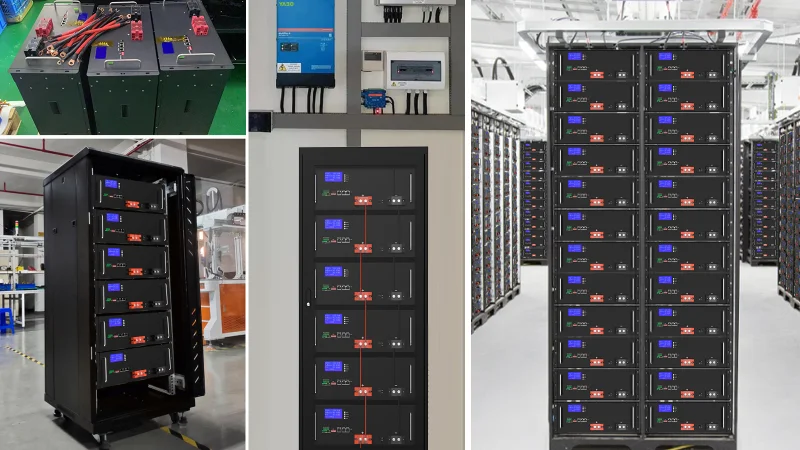
Is your home energy storage system acting up? Experiencing unexpected outages, shorter battery life, or just not sure if it's performing as it should? Don't worry, you're not alone. Many homeowners with solar-plus-storage systems encounter occasional hiccups.
Home energy storage is a fantastic investment, providing backup power during outages, reducing your reliance on the grid, and maximizing the value of your renewable energy at home. However, like any sophisticated technology, these systems can sometimes experience issues. Understanding how to troubleshoot common problems is key to ensuring your system operates efficiently and reliably for years to come. A little proactive maintenance and some basic troubleshooting skills can save you time, money, and the frustration of unexpected downtime.
One crucial first step?Always consult your system's manual before attempting any troubleshooting. It contains specific information about your model, its features, and potential issues.
Step-by-Step Guide to Home Energy Storage Troubleshooting
This guide will walk you through some common home battery storage problems and provide practical steps to diagnose and resolve them. We'll cover everything from basic checks to more advanced troubleshooting techniques, empowering you to take control of your smart home energy and maximize your energy savings. Remember, when in doubt, it's always best to consult with a qualified solar installer or electrician. Your safety and the longevity of your system are paramount.
1. Initial Checks: The First Line of Defense
Before diving into complex troubleshooting, let's start with the basics. These simple checks can often identify the culprit behind common issues.
Visual Inspection: Carefully examine your battery storage unit, inverter, and any associated wiring. Look for any signs of damage, such as cracks, corrosion, loose connections, or frayed wires. Address any visible issues immediately. Check the Breakers: Locate the circuit breakers associated with your home battery storage system. Ensure that none of them have tripped. If a breaker has tripped, reset it. If it trips again immediately, there may be a short circuit, and you should consult a professional. This is crucial for both safety and the proper functioning of your backup power systems. Monitor System Status: Most modern home battery storage systems come with a monitoring app or web portal. Log in and check the system's status, error messages, and performance data. These diagnostics can provide valuable clues about the nature of the problem. Pay close attention to warnings about temperature, voltage, or current levels that are outside the normal operating range. Inspect Ventilation: Ensure adequate airflow around the battery storage unit. Overheating can significantly impact battery life and performance. Clear any obstructions that may be blocking vents. Confirm Internet Connectivity:Many systems rely on internet connectivity for monitoring and updates. Check your router and ensure the system is properly connected to the internet.
2. Common Issues and Solutions
Once you've completed the initial checks, let's move on to some common problems and their potential solutions.
Issue: Battery Not Charging
This is a frequent concern, especially when relying on solar to charge your home battery storage.
Possible Causes:
Insufficient Sunlight: On cloudy days, your solar panels may not generate enough electricity to charge the battery.
Shading: Check for any new shading on your solar panels from trees, buildings, or other obstructions. Even partial shading can significantly reduce solar energy production.
Panel Issues: Inspect your solar panels for dirt, debris, or damage. Clean them regularly with a soft brush and water. If you suspect damage, consult a solar professional.
Inverter Problems: The inverter converts DC power from the solar panels to AC power for your home and the battery. If the inverter is malfunctioning, it may not be charging the battery properly. Check the inverter's status and error messages.
Battery Management System (BMS) Issues: The BMS controls the charging and discharging of the battery. A faulty BMS can prevent the battery from charging. Troubleshooting Steps:
Wait for Sunny Conditions: If the weather is cloudy, wait for a sunny day to see if the battery starts charging.
Clean Solar Panels: Remove any dirt or debris from your solar panels.
Check Inverter Status: Consult your inverter's manual to troubleshoot any error messages.
Contact a Professional: If the problem persists, contact a qualified solar installer to inspect the system.
Issue: Short Battery Life
Are you finding that your home battery storage isn't lasting as long as it used to? Understanding battery life and maintenance can extend the life of your system.
Possible Causes:
Battery Degradation: All batteries degrade over time. The capacity of the battery will gradually decrease with each charge and discharge cycle.
High Energy Consumption: Your home may be using more energy than usual, draining the battery faster.
Incorrect Settings: The battery's settings may not be optimized for your energy needs.
Extreme Temperatures: Extreme temperatures can negatively impact battery performance and lifespan. Troubleshooting Steps:
Monitor Energy Usage: Track your home's energy consumption to identify any spikes or unusual patterns.
Optimize Battery Settings: Consult your system's manual to adjust the battery's settings for optimal performance. Consider settings that prioritize self-consumption to maximize the use of stored energy.
Reduce Energy Consumption: Identify ways to reduce your home's energy consumption, such as using energy-efficient appliances and turning off lights when not in use.
Consult a Professional: If the battery life continues to decline rapidly, contact a qualified technician to assess the battery's health and consider replacement options.
Issue: System Not Providing Backup Power During Outages
This defeats the primary purpose of having home energy storage.
Possible Causes:
Incorrect Configuration: The system may not be properly configured to provide backup power.
Low Battery Charge: The battery may not have enough charge to power your home during an outage.
Automatic Transfer Switch (ATS) Issues: The ATS automatically switches your home's power source from the grid to the battery during an outage. If the ATS is malfunctioning, it may not be switching properly.
Overload: The battery may be overloaded with too many appliances running simultaneously. Troubleshooting Steps:
Verify Backup Power Configuration: Check your system's settings to ensure that backup power is enabled.
Maintain Adequate Charge: Ensure that the battery is regularly charged to provide sufficient backup power.
Test the ATS: Simulate a power outage to test the ATS and ensure it switches properly.
Reduce Load: During an outage, prioritize essential appliances and reduce overall energy consumption to avoid overloading the battery.
3. Advanced Troubleshooting (When to Call a Professional)
While many issues can be resolved with basic troubleshooting, some problems require the expertise of a qualified professional.
Inverter Malfunctions: Complex inverter issues, such as error codes that you can't clear or unusual behavior, should be addressed by a certified technician. Battery Management System (BMS) Failures: If you suspect a problem with the BMS, do not attempt to repair it yourself. Contact a qualified technician for diagnosis and repair. Wiring Issues: Electrical wiring can be dangerous. If you suspect any wiring problems, such as shorts or damaged wires, immediately contact a qualified electrician. Warranty Claims: If your system is still under warranty, contact the manufacturer or installer before attempting any repairs. Unauthorized repairs may void the warranty.
4. Proactive Maintenance for Long-Term Performance
Preventing problems is always better than fixing them. Here are some tips for proactive maintenance: Regular Inspections: Conduct regular visual inspections of your system, checking for any signs of damage or wear. Cleanliness: Keep the battery storage unit and solar panels clean and free of debris. Software Updates: Ensure that your system's software is up to date to benefit from the latest features and bug fixes. Monitor Performance: Regularly monitor your system's performance data to identify any potential issues early on. Professional Servicing:Schedule regular professional servicing to ensure that your system is operating at peak performance.
Tips for Maximizing Battery Life
To extend the life of your home battery storage system, consider these practices: Avoid Deep Discharges: Avoid regularly discharging the battery to very low levels. Optimize Charging Habits: Follow the manufacturer's recommendations for charging the battery. Temperature Control: Keep the battery within its recommended temperature range. Balanced Usage: Try to balance the charge and discharge cycles of the battery.
Understanding Battery Warranty
Familiarize yourself with the terms and conditions of your battery's warranty. This will help you understand your rights and responsibilities in case of any issues. Pay attention to the warranty period, coverage, and any exclusions.
FAQ: Home Energy Storage Troubleshooting
Q: How often should I inspect my home battery storage system?
A: It's recommended to perform a visual inspection at least once a month and a more thorough inspection every six months. This includes checking for any signs of damage, cleaning the system, and monitoring its performance data.
Q: What should I do if my battery storage system is making unusual noises?
A: Unusual noises could indicate a problem with the inverter, cooling system, or other components. Immediately investigate the source of the noise and contact a qualified technician if you cannot identify the cause or if the noise is accompanied by any other symptoms.
Q: Can I add more batteries to my existing home energy storage system?
A: It depends on the system's design and compatibility. Some systems allow for adding more batteries to increase storage capacity, while others do not. Consult with a qualified solar installer to determine if your system can be expanded and what components are required.
Q: How do I know if my battery is nearing the end of its lifespan?
A: Signs of a battery nearing the end of its lifespan include reduced capacity, shorter run times, frequent error messages, and a significant decline in performance. A professional battery health assessment can provide a more accurate diagnosis.
Taking these steps will help you ensure the long-term health and performance of your home battery storage system. By understanding the basics of troubleshooting, you can address many common issues yourself, saving time and money. Remember, prioritizing safety and consulting professionals when needed is key to maximizing the benefits of your investment in renewable energy at home. With a little knowledge and proactive care, you can confidently manage your home battery storage and enjoy reliable, sustainable power for years to come.