
Did you know that improper battery disposal could be silently undermining your commitment to a greener lifestyle? From the small button cell in your watch to the larger batteries in your home battery storage system, responsible disposal is key to protecting our environment and ensuring a sustainable future.
That's why understanding how to safely dispose of old home batteries is so important. It's not just about following regulations; it's about preventing hazardous materials from leaking into our soil and water, potentially impacting ecosystems and even our own health. As homeowners increasingly embrace renewable energy at home and backup power systems, the number of batteries we use is only going to increase, making proper disposal practices even more critical.
Before you even think about tossing a used battery in the trash, take a moment to check if it's rechargeable. Many batteries, including those used in power tools and some electronics, can be recharged and reused multiple times. This simple step can significantly extend battery life and maintenance, reducing the overall demand for new batteries and minimizing waste.
Why Proper Battery Disposal Matters
The convenience of batteries often overshadows the potential harm they can cause if discarded improperly. Batteries contain a variety of materials, some of which are highly toxic, such as lead, mercury, cadmium, lithium, and nickel. When these batteries end up in landfills, these substances can leach into the ground, contaminating soil and water supplies. This contamination poses risks to both human health and the environment, affecting everything from drinking water quality to wildlife habitats.
Furthermore, improper disposal can lead to physical hazards. Lithium-ion batteries, commonly found in laptops, cell phones, and increasingly in home battery storage systems, can be particularly dangerous. If damaged or exposed to extreme temperatures, they can short-circuit and potentially cause fires or explosions. There have been numerous documented incidents of fires at waste management facilities caused by improperly discarded lithium-ion batteries.
Choosing to responsibly dispose of your old batteries is a proactive step towards protecting our planet. It's a tangible way to minimize your environmental footprint and contribute to a cleaner, healthier future. When considering energy savings and home energy efficiency, battery life and maintenance are key factors, and proper disposal is a crucial part of the life cycle.
The Environmental Impact of Improper Battery Disposal
Soil Contamination: Heavy metals in batteries leach into the soil, making it toxic and unsuitable for plant growth. Water Pollution: Contaminated soil leads to polluted groundwater, affecting drinking water sources and aquatic ecosystems. Air Pollution: Incinerating batteries releases harmful gases into the atmosphere, contributing to air pollution. Risk of Fire: Lithium-ion batteries can ignite in landfills or waste processing facilities, causing significant damage.
Identifying Your Battery Type
Before you can dispose of your batteries, it's crucial to identify what type they are. Different battery types require different disposal methods. Common household batteries include alkaline, lithium-ion, nickel-cadmium (Ni Cd), nickel-metal hydride (Ni MH), and lead-acid batteries.
Alkaline Batteries (AA, AAA, C, D, 9V): These are the most common type of household battery. While some areas now allow for disposal with regular trash, it's always best to check your local regulations. Many recycling centers will accept alkaline batteries. Lithium-ion Batteries (Li-ion): Found in smartphones, laptops, power tools, and electric vehicles, these batteries require special handling due to the risk of fire. Never throw them in the trash! Look for designated lithium-ion battery recycling programs. Nickel-Cadmium (Ni Cd) Batteries: These rechargeable batteries were once common in power tools and electronics. Due to their cadmium content, they are considered hazardous waste and must be recycled. Nickel-Metal Hydride (Ni MH) Batteries: Another type of rechargeable battery, often used in hybrid vehicles and electronics. While less hazardous than Ni Cd batteries, they should still be recycled. Lead-Acid Batteries:Typically found in cars and backup power systems. These batteries contain lead and sulfuric acid and are highly recyclable. Auto parts stores and recycling centers usually accept them.
Case Study: The Rise of Lithium-ion Battery Recycling
The increasing popularity of electric vehicles and home battery storage has led to a surge in the demand for lithium-ion batteries. Consequently, the need for lithium-ion battery recycling has become more urgent. Several companies are now specializing in the safe and efficient recycling of these batteries, recovering valuable materials like lithium, cobalt, and nickel. This not only reduces the environmental impact of battery disposal but also helps to create a more sustainable supply chain for these critical materials.
Safe Battery Disposal Methods
Once you've identified your battery type, you can choose the appropriate disposal method. Here are several options to consider: Local Recycling Centers: Many cities and counties offer recycling programs that accept batteries. Check your local government's website or call your waste management provider for information. Retail Drop-Off Locations: Several retailers, such as hardware stores and electronics stores, have battery recycling programs. Look for collection bins near the entrance. Call2Recycle: This is a national battery recycling program that partners with retailers, businesses, and communities to collect and recycle batteries. You can find drop-off locations on their website. Manufacturer Take-Back Programs: Some battery manufacturers offer take-back programs where you can send your old batteries back to them for recycling. Household Hazardous Waste (HHW) Collection Events:Many communities host HHW collection events where you can safely dispose of hazardous waste, including batteries.
Practical Tip: Creating a Battery Collection System at Home
To make battery disposal more convenient, set up a designated collection system at home. Use a clearly labeled container to store used batteries. Keep different battery types separate to prevent potential short circuits. Store the container in a cool, dry place away from children and pets. When the container is full, take it to a recycling center or drop-off location.
Preparing Batteries for Disposal
Before you drop off your batteries for recycling, it's essential to prepare them properly. This helps to prevent short circuits and ensure safe handling.
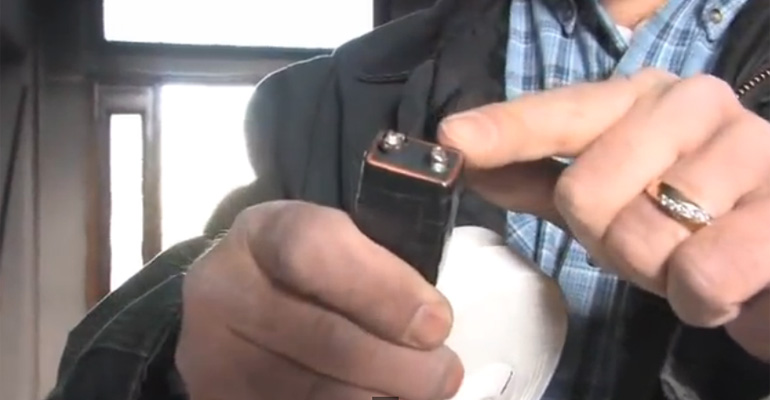
Tape the Terminals: Use clear packing tape or electrical tape to cover the positive (+) and negative (-) terminals of batteries, especially lithium-ion and 9-volt batteries. This prevents them from short-circuiting and potentially causing a fire. Separate Battery Types: Keep different battery types separate, as mixing them can create hazardous conditions. Store alkaline, lithium-ion, and other battery types in separate bags or containers. Store in a Safe Place: Store batteries in a cool, dry place away from flammable materials. Avoid exposing them to extreme temperatures or direct sunlight. Do Not Disassemble: Never attempt to disassemble batteries. This can release hazardous materials and pose a safety risk.
Maintenance Tips: Extending Battery Life and Reducing Waste
One of the best ways to reduce battery waste is to extend the life of your batteries. Here are some tips to help you do that: Use Rechargeable Batteries: Whenever possible, opt for rechargeable batteries instead of single-use batteries. This reduces the number of batteries you need to dispose of over time. Store Batteries Properly: Store batteries in a cool, dry place to prevent them from losing their charge. Remove Batteries from Devices: If you're not using a device for an extended period, remove the batteries to prevent corrosion and leakage. Avoid Overcharging: Overcharging batteries can shorten their lifespan. Follow the manufacturer's instructions for charging times. Use the Right Battery for the Device:Using the correct type of battery for each device ensures optimal performance and extends battery life.
Understanding Local Regulations
Battery disposal regulations vary depending on where you live. Some states and municipalities have strict laws regarding the disposal of certain types of batteries, while others have less stringent regulations. It's essential to understand the regulations in your area to ensure you're disposing of batteries legally and responsibly.
Check your local government's website or contact your waste management provider for information on battery disposal regulations. You can also visit the Environmental Protection Agency's (EPA) website for guidance on hazardous waste management.
###People Also Ask (FAQs) About Battery Disposal
What happens if I throw batteries in the trash?
Throwing batteries in the trash can have serious environmental consequences. Batteries contain hazardous materials that can leach into the soil and water, contaminating ecosystems and posing risks to human health. Lithium-ion batteries can also cause fires in landfills and waste processing facilities.
Where can I recycle lithium-ion batteries?
Lithium-ion batteries can be recycled at designated recycling centers, retail drop-off locations, and through manufacturer take-back programs. Check the Call2Recycle website or your local government's website for locations near you.
Are alkaline batteries considered hazardous waste?
While some areas allow for the disposal of alkaline batteries with regular trash, it's always best to check your local regulations. Many recycling centers will accept alkaline batteries, and recycling them is a more environmentally responsible option.
What should I do if a battery leaks or corrodes?
If a battery leaks or corrodes, handle it with care. Wear gloves and eye protection to avoid contact with the chemicals. Place the battery in a sealed plastic bag and take it to a household hazardous waste collection facility.
Can I mail batteries for recycling?
Some battery recycling programs offer mail-in options. Check the program's website for instructions on how to package and ship batteries safely.
Disposing of old home batteries safely might seem like a small act, but it contributes significantly to a sustainable future. By understanding the different battery types, following proper disposal methods, and staying informed about local regulations, you can make a positive impact on the environment. Embracing responsible battery disposal practices is not just about compliance; it's about taking ownership of our environmental stewardship and protecting our planet for future generations. You’ve got this!