
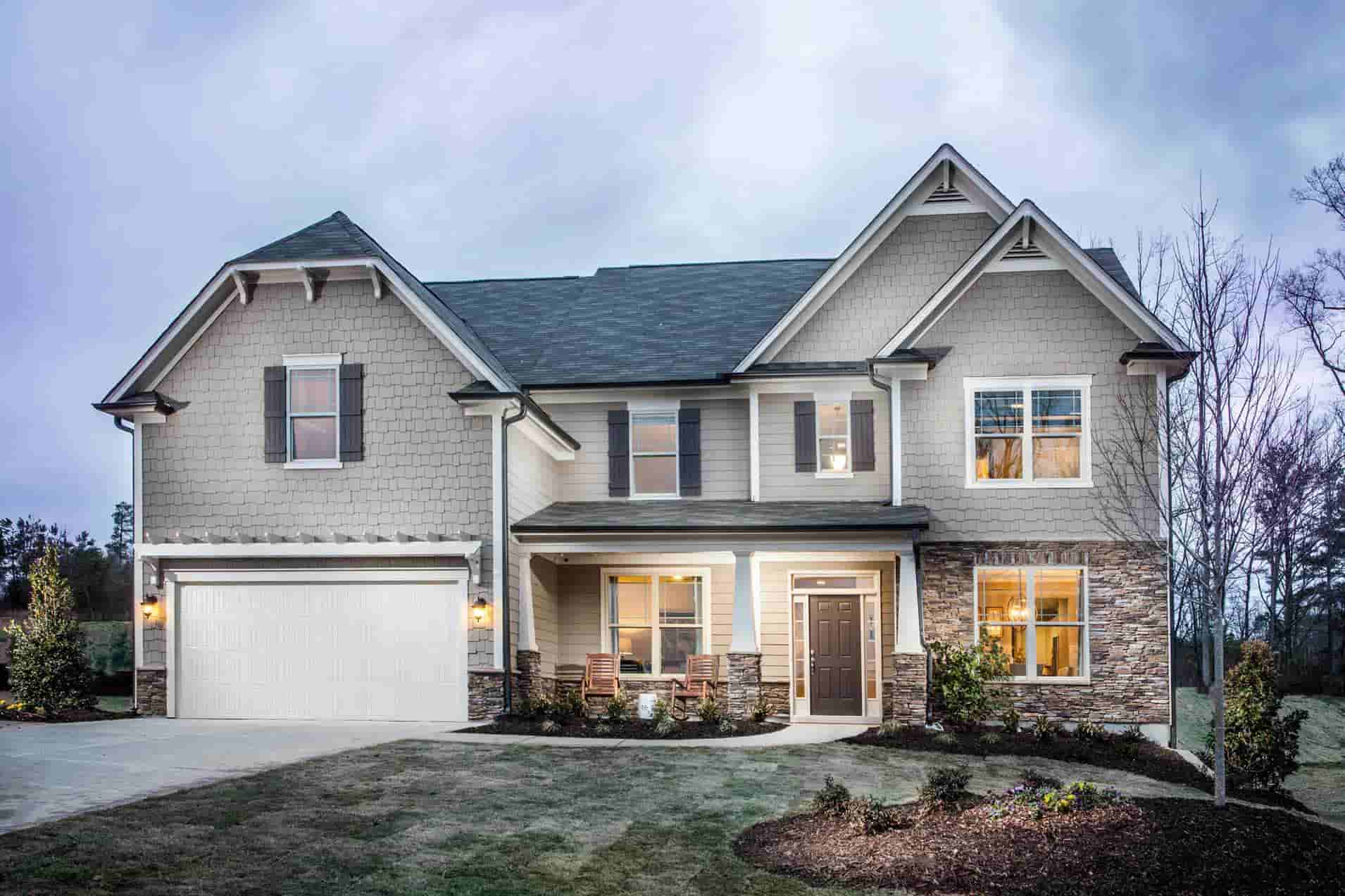
Are you ready to take your commitment to sustainable living to the next level? Beyond solar panels and energy-efficient appliances, there's a powerful tool that can significantly boost your home's green credentials: home battery storage. Not only do home batteries offer backup power and potential energy savings, but they can also play a vital role in achieving prestigious green building certifications.
This article explores how integrating home battery storage can help you earn points towards certifications like LEED (Leadership in Energy and Environmental Design), Passive House, and others. We'll delve into the specific ways batteries contribute to a greener, more sustainable home, and how you can leverage them to maximize your certification potential.
One simple step you can take today is to research local green building certification programs in your area. Understanding their specific requirements will help you tailor your home energy upgrades accordingly.
How Home Batteries Power Green Building Certifications
Green building certifications are designed to recognize and promote sustainable construction and operation practices. They offer a framework for creating healthier, more environmentally responsible buildings. Incorporating home battery storage can contribute to various aspects of these certifications, including energy efficiency, renewable energy integration, and grid services. By storing excess solar energy and providing backup power, batteries enhance a home's overall sustainability profile, making it a valuable asset in the pursuit of green building recognition.
Understanding Key Green Building Certifications
Navigating the world of green building certifications can be overwhelming. Here’s a brief overview of some of the most prominent programs and how home battery systems fit in: LEED (Leadership in Energy and Environmental Design):LEED is a globally recognized certification program that evaluates buildings across several categories, including energy and atmosphere, materials and resources, and indoor environmental quality. Home battery storage can contribute to LEED points by enabling renewable energy use, reducing grid reliance, and supporting demand response programs.
Passive House: Passive House is a rigorous standard focused on minimizing energy consumption through superior insulation, airtight construction, and efficient ventilation. While the primary focus is on reducing energy demand, home battery storage can still contribute by optimizing the use of on-site renewable energy generation and providing backup power in an extremely energy-efficient manner.
National Green Building Standard (NGBS): NGBS is a U.S.-based certification that addresses a wide range of sustainable building practices, including energy efficiency, water conservation, and resource management. Home battery systems can help achieve NGBS certification by improving energy performance and enabling the use of renewable energy sources.
Living Building Challenge: This is one of the most stringent green building certifications, pushing for net-positive energy and water use. Home battery storage is almost essential for achieving this level of sustainability, allowing buildings to store and manage their self-generated renewable energy efficiently.
How Home Battery Storage Contributes to Certification Credits
Here's a more detailed look at how home batteries can help you earn credits within specific green building certification categories: Energy and Atmosphere: This is often the most heavily weighted category in green building certifications. Home battery storage can contribute significantly by: Enabling Renewable Energy Use: By storing excess solar energy, batteries maximize the use of on-site renewable energy generation, reducing reliance on the grid and earning credits for renewable energy integration.
Improving Energy Performance: Batteries can optimize energy consumption by shifting loads to off-peak hours, reducing demand charges, and improving overall energy efficiency.
Supporting Demand Response Programs: Many utilities offer incentives for homeowners who participate in demand response programs, which help reduce grid strain during peak demand periods. Home batteries can automate participation in these programs, earning credits and potentially providing financial benefits.
Innovation: Some certifications offer credits for innovative strategies that go beyond standard requirements. Integrating home battery storage in novel ways, such as using it to support microgrids or to provide emergency power to the community, can earn innovation credits.
Resilience: With increasing concerns about power outages and extreme weather events, resilience is becoming a more important factor in green building design. Home batteries provide backup power, ensuring that essential systems continue to operate during grid outages. This can contribute to resilience credits in certifications like LEED.
Grid Services: Home batteries can provide valuable services to the grid, such as frequency regulation and voltage support. By participating in these programs, homeowners can earn credits and contribute to a more stable and reliable grid.
Maximizing Your Home Battery's Contribution to Green Building Certifications
To make the most of your home battery system in the context of green building certifications, consider these strategies: Choose the Right Battery System:Select a battery system that is appropriately sized for your home's energy needs and compatible with your solar panels (if applicable). Consider factors like storage capacity, power output, and efficiency.
Optimize Battery Management: Configure your battery system to maximize self-consumption of solar energy, participate in demand response programs, and provide backup power during outages. Advanced battery management systems can automate these functions and optimize performance.
Document Performance: Keep detailed records of your battery system's performance, including energy production, consumption, and grid interactions. This documentation will be essential for demonstrating compliance with certification requirements.
Work with a Qualified Professional: Consult with a qualified energy consultant or green building professional who can help you navigate the certification process and ensure that your home battery system is properly integrated into your overall green building strategy.
People Also Ask: Will a home battery system always guarantee extra LEED points?
Not necessarily. LEED points are awarded based on performance and specific criteria. Simply installing a battery doesn’t automatically grant points. You must demonstrate how the battery contributes to energy efficiency, renewable energy use, demand response, or other relevant categories. Proper documentation and system configuration are crucial for maximizing your LEED point potential.
People Also Ask: What size battery do I need to make a difference for green building certifications?
The optimal battery size depends on your home's energy consumption, solar panel capacity, and the specific requirements of the certification program you're pursuing. A professional energy audit and consultation can help you determine the right size battery to maximize your contributions to green building goals.
Battery Life and Maintenance: Keeping Your System Green
Ensuring your home battery operates efficiently for its entire lifespan is crucial for maintaining its green contribution. Here are some tips for battery life and maintenance: Monitor Battery Health:Regularly monitor the battery's state of charge, temperature, and voltage to identify any potential issues. Most modern systems have monitoring apps or web interfaces.
Follow Manufacturer's Recommendations: Adhere to the manufacturer's recommendations for charging and discharging the battery. Avoid deep discharges, which can shorten battery life.
Ensure Proper Ventilation: Provide adequate ventilation for the battery to prevent overheating, which can degrade performance and lifespan.
Schedule Regular Maintenance: Schedule regular maintenance checks by a qualified technician to inspect the battery for any signs of damage or degradation.
Consider Battery Chemistry: Different battery chemistries (e.g., lithium-ion, lead-acid) have different lifespans and maintenance requirements. Research the different options and choose a chemistry that is appropriate for your needs and budget. Lithium-ion batteries are generally preferred for their longer lifespan and higher efficiency, but they also come at a higher cost.
Integrating home battery storage into your sustainable living plan isn't just about energy independence; it's a strategic move toward achieving recognized green building standards. By carefully considering your options, optimizing system performance, and maintaining your battery properly, you can contribute to a more sustainable future while enhancing the value and desirability of your home. You're not just installing a battery; you're investing in a greener, more resilient future.