
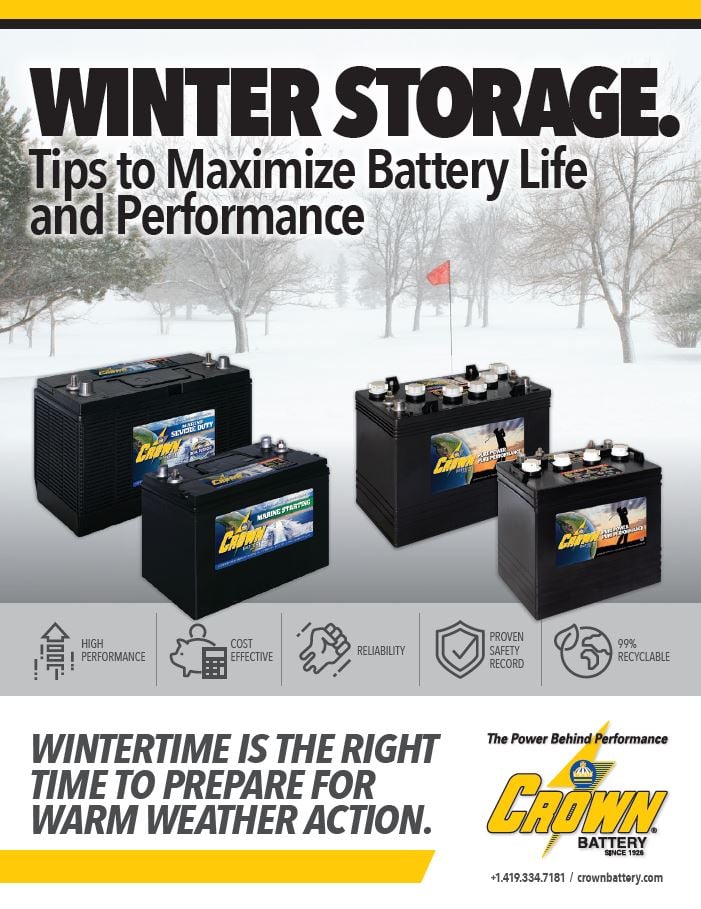
Are you ready for winter? Beyond cozy blankets and hot cocoa, the colder months can bring a dip in your home battery storage performance. Understanding how temperature affects your system is the first step in ensuring reliable backup power and maximizing your investment in renewable energy at home.
This guide dives into the crucial aspects of maintaining your home battery storage during winter, helping you navigate cold-weather challenges and keep your system operating at peak efficiency. We’ll explore practical tips for safeguarding your battery life and maintenance, boosting your home energy efficiency, and ensuring your renewable energy at home continues to power your life, even when the temperatures plummet.
Let’s start with a quick and easy win: ensure your battery enclosure is properly sealed. A simple visual inspection can identify any gaps or cracks that could let in cold air. Sealing these openings can make a surprisingly big difference.
Winterizing Your Home Battery Storage System
Winter presents unique challenges for home battery storage systems. The most significant factor is temperature. Batteries, especially lithium-ion batteries commonly used in home energy storage, have an optimal operating temperature range. When temperatures drop too low, several things can happen: Reduced Capacity: The battery's ability to store energy is diminished. You might find that your battery provides less backup power than usual. Slower Charging: Charging efficiency decreases in cold weather, meaning it takes longer to replenish the battery. Increased Internal Resistance: This leads to more energy being lost as heat during both charging and discharging, further reducing efficiency. Potential for Damage: In extreme cold, some battery chemistries can experience irreversible damage, shortening their lifespan.
Understanding these challenges is critical for maintaining the performance and longevity of your home battery storage. Effective winterization strategies can mitigate these risks and ensure your system provides reliable backup power and maximizes energy savings throughout the season. Think of it as giving your battery a winter coat!
Optimal Temperature Range: What You Need to Know
Most lithium-ion batteries perform best between 15°C and 35°C (59°F and 95°F). Operation outside this range, especially below freezing, can significantly impact performance and lifespan. Check your battery manufacturer's specifications for the exact recommended temperature range for your specific model. This information is usually found in the product manual or on the manufacturer's website. Knowing the specifics is key to tailoring your winterization strategy.
Location, Location, Location: Why Placement Matters
The location of your home battery storage system plays a vital role in its winter performance.
Indoor vs. Outdoor: Indoor installations generally experience more stable temperatures than outdoor ones. If your battery is outdoors, consider providing insulation or a heated enclosure to protect it from extreme cold. Sheltered Spots: Choose a location shielded from direct wind and snow. This helps to minimize temperature fluctuations. Proximity to Heat Sources: Avoid placing batteries near direct heat sources like furnaces or radiators, as excessive heat can also be detrimental. Ventilation: Ensure adequate ventilation, even in enclosed spaces, to prevent overheating during operation. Elevated Placement:If installing outdoors, raising the battery system slightly off the ground can help to avoid flooding during potential snow melts.
Careful consideration of these factors during installation can significantly improve your battery’s winter performance.
Protecting Your Battery from the Cold
Now that we understand the challenges, let's explore practical steps you can take to protect your home battery storage from the cold:
1.Insulation is Key: For outdoor installations, consider insulating the battery enclosure. There are specialized battery insulation blankets available, or you can use standard insulation materials. The goal is to create a buffer against extreme temperature fluctuations. Make sure that your insulating solution allows for ventilation, as batteries can generate heat during operation.
2.Heated Enclosures: In very cold climates, a heated enclosure might be necessary. These enclosures typically have a thermostat-controlled heating element that maintains a safe operating temperature for the battery.
3.Monitor Battery Temperature: Keep an eye on your battery’s temperature readings (if your system provides them). Many modern systems have built-in monitoring capabilities that alert you to extreme temperature fluctuations. This allows you to take proactive measures before any damage occurs.
4.Adjust Charging Schedules: Cold temperatures can slow down charging. If possible, adjust your charging schedule to prioritize charging during the warmest part of the day. This can help to improve charging efficiency.
5.Reduce Discharge Depth: Limiting the depth of discharge during winter can help to preserve battery health. Avoid fully discharging the battery if possible, as this can put extra stress on it in cold conditions.
6.Check and Maintain Connections: Cold weather can cause connections to contract and become loose. Regularly inspect all connections to ensure they are tight and free of corrosion.
These steps will significantly improve your home battery storage performance and lifespan during the winter months.
Home Energy Efficiency and Winter Battery Use
Winter often brings increased energy consumption, placing a greater demand on your home battery storage system. Taking steps to improve your home energy efficiency can reduce this demand and extend your battery's runtime.
Seal Drafts: Seal any drafts around windows and doors to prevent heat loss. Insulate Your Home: Add insulation to your attic and walls to improve your home's thermal envelope. Use Energy-Efficient Lighting: Switch to LED lighting to reduce energy consumption. Programmable Thermostat: Install a programmable thermostat to automatically lower the temperature when you are away or asleep. Unplug Electronics: Unplug electronics when not in use to eliminate phantom energy drain. Smart Home Energy Devices: Implement smart home energy devices to monitor usage and automatically adjust for efficiency.
These energy-saving measures will reduce the load on your battery system, allowing it to provide backup power for longer periods and maximizing your energy savings.
Backup Power Systems: Ensuring Reliability
Your home battery storage system is designed to provide backup power during outages. However, winter storms can be particularly challenging, potentially leading to prolonged power disruptions.
Regular Testing: Regularly test your backup power system to ensure it is functioning correctly. Emergency Kit: Prepare an emergency kit with essential supplies, including flashlights, batteries, blankets, and non-perishable food. Communication Plan: Have a communication plan in place in case of a power outage, including a way to contact emergency services if needed. Generator Backup (Optional): Consider having a backup generator as a secondary power source for extended outages. Understand System Limitations:Be aware of the limitations of your battery system. Know how long it can provide backup power based on your energy consumption.
By taking these precautions, you can ensure that your backup power system is ready to handle even the most challenging winter power outages.
Long-Term Battery Life and Maintenance
Proper maintenance is crucial for maximizing the lifespan of your home battery storage system. While winter poses unique challenges, following a regular maintenance schedule throughout the year will help to ensure optimal performance.
Regular Inspections: Conduct regular visual inspections of the battery enclosure, connections, and wiring. Cleaning: Keep the battery enclosure clean and free of debris. Software Updates: Keep the battery management system software up to date to ensure optimal performance and security. Professional Servicing: Schedule professional servicing at least once a year to have your system inspected by a qualified technician.
By following these maintenance tips, you can extend the life of your battery and protect your investment.
Understanding Battery Degradation
All batteries degrade over time, regardless of how well they are maintained. This degradation is a natural process that occurs as the battery is used. However, proper maintenance can help to slow down this process and extend the battery's lifespan.
Depth of Discharge: Avoid fully discharging the battery as much as possible, as this can accelerate degradation. Temperature Extremes: Minimize exposure to extreme temperatures, as this can also accelerate degradation. Charging Habits: Follow the manufacturer's recommendations for charging habits, such as charging frequency and voltage. Cycle Life: Understand the battery's cycle life, which is the number of times it can be charged and discharged before it reaches a certain level of degradation.
Being aware of these factors can help you to make informed decisions about how to use and maintain your battery to maximize its lifespan.
People Also Ask (FAQs)
What happens to my solar panels in the winter? Snow cover can reduce solar panel output. Consider safely clearing snow from your panels if possible. Also, keep in mind that shorter daylight hours will naturally lead to lower energy production. How often should I test my backup power system? Test your system monthly to ensure it is functioning correctly. During winter months, consider testing it more frequently, especially before anticipated storms. Can I use a space heater to keep my battery warm? Avoid using space heaters directly on or near the battery enclosure, as this can create hot spots and potentially damage the battery. Heated enclosures are designed with even heat distribution in mind. Is it normal for my battery to discharge faster in winter? Yes, it's common for batteries to discharge faster in cold weather due to increased internal resistance and reduced capacity. Where can I find a qualified technician to service my battery system? Contact your battery manufacturer or installer for recommendations on qualified technicians in your area. Look for technicians with experience in home battery storage systems and renewable energy.
With a little preparation and proactive maintenance, you can confidently navigate winter and ensure your home battery storage system continues to provide reliable backup power and maximize your energy savings. Embrace the season knowing your renewable energy at home system is ready for whatever the weather brings!