
Are you tired of rising energy costs or worried about power outages disrupting your life? Harnessing the sun's energy and storing it for later use is a powerful way to achieve energy independence and peace of mind.
This guide will walk you through the essential steps of connecting batteries to your solar panels, empowering you to maximize your home energy efficiency and create a reliable backup power system. Understanding how to properly integrate batteries with your solar array is crucial for optimizing energy savings, reducing your carbon footprint, and ensuring a constant power supply, even when the sun isn't shining.
One simple yet often overlooked tip is to start with a professional assessment of your energy needs. Calculate your average daily energy consumption to determine the appropriate battery size for your home. This ensures you're not overspending on unnecessary capacity or undersizing, which could leave you without power when you need it most.
Connecting Batteries to Solar Panels: A Step-by-Step Guide
Connecting batteries to solar panels might seem daunting, but with the right knowledge and a methodical approach, it’s a manageable project for many homeowners. This guide breaks down the process into manageable steps, covering everything from choosing the right components to ensuring a safe and efficient connection. Whether you’re aiming for full energy independence or simply want a reliable backup power system, understanding these steps is crucial. By integrating home battery storage, you can significantly enhance your home’s renewable energy at home capabilities and contribute to a more sustainable future.
1. Planning and Preparation
Before you even think about wires and connections, thorough planning is essential. This includes understanding your energy needs, selecting the right components, and ensuring your system complies with local regulations.
Understanding Your Energy Needs
The first step is to determine how much energy you consume daily. Review your past electricity bills to get an accurate picture of your usage. Pay attention to peak usage times and identify appliances that consume the most power. This will help you determine the appropriate battery capacity for your home battery storage.
Calculate Daily Energy Consumption: Add up the kilowatt-hours (k Wh) you use each day. Identify Peak Usage: Determine when you use the most energy (e.g., evenings or weekends). Prioritize Essential Loads:Decide which appliances and devices you need to power during an outage (e.g., refrigerator, lights, medical equipment).
Selecting the Right Components
Choosing the right components is crucial for a safe and efficient solar-plus-battery system. This includes solar panels, batteries, inverters, charge controllers, and necessary wiring.
Solar Panels: Select panels with appropriate wattage and voltage for your energy needs. Consider factors like efficiency, durability, and warranty. Batteries: Choose batteries designed for solar energy storage, such as lithium-ion or lead-acid batteries. Consider factors like capacity, lifespan, depth of discharge (Do D), and safety features. Inverter: Select an inverter that is compatible with your solar panels and batteries. Inverters convert DC power from the panels and batteries to AC power for your home. Hybrid inverters combine the functions of a solar inverter and a battery inverter. Charge Controller: A charge controller regulates the voltage and current from the solar panels to the batteries, preventing overcharging and maximizing battery life. Wiring and Disconnects:Use appropriately sized wiring and disconnect switches to ensure safety and efficiency.
Ensuring Compliance and Safety
Before starting any installation, check local building codes and regulations related to solar and battery systems. Obtain any necessary permits and consider consulting with a qualified electrician or solar installer to ensure your system meets all requirements. Safety is paramount, so always disconnect power before working on electrical components and follow all safety guidelines provided by the manufacturers.
2. Installing the Solar Panels
While this guide focuses on connecting batteries, properly installed solar panels are a prerequisite.
Mounting the Panels
Follow the manufacturer's instructions for mounting your solar panels. Ensure the panels are securely attached to your roof or ground-mounted racking system. Consider the orientation and tilt angle to maximize sunlight exposure throughout the year.
Wiring the Panels
Connect the solar panels in series or parallel, depending on your system's voltage requirements. Use appropriate wiring and connectors rated for outdoor use. Ensure all connections are secure and weather-protected.
Testing the Solar Array
After wiring the panels, test the voltage and current output using a multimeter to ensure they are functioning correctly. This will help you identify any potential issues before connecting the batteries.
3. Connecting the Batteries
This is the core of our guide. With solar panels installed, it's time to integrate your batteries for energy storage.
Positioning the Batteries
Choose a suitable location for your batteries. It should be a cool, dry, and well-ventilated area, away from direct sunlight and extreme temperatures. Ensure the location is easily accessible for maintenance and inspection.
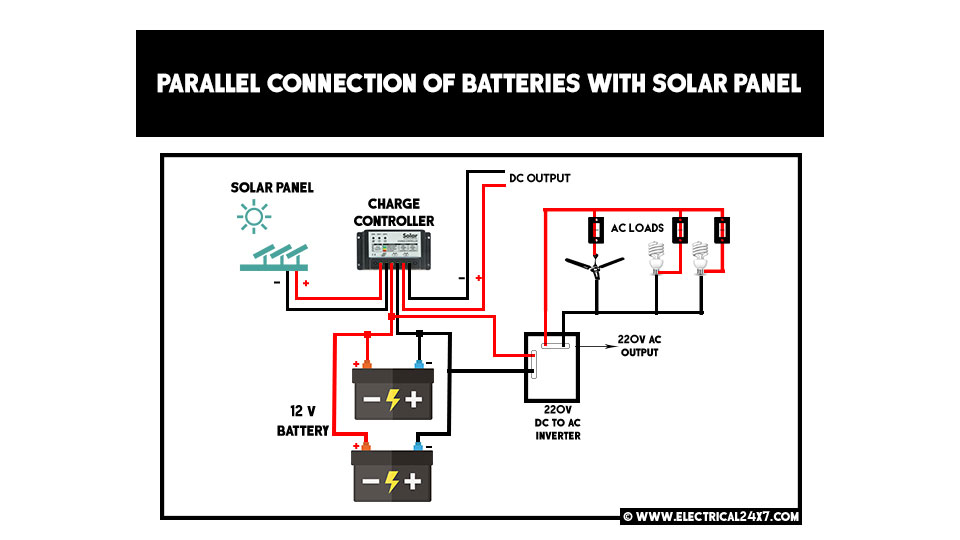
Connecting the Charge Controller
The charge controller is a critical component that regulates the flow of electricity from the solar panels to the batteries.
Connect Solar Panels to Charge Controller: Connect the positive (+) and negative (-) wires from the solar panels to the designated terminals on the charge controller. Connect Charge Controller to Batteries: Connect the positive (+) and negative (-) wires from the charge controller to the corresponding terminals on the batteries. Ensure the polarity is correct to avoid damage.
Wiring the Batteries
Connect the batteries in series or parallel to achieve the desired voltage and capacity.
Series Connection: Connecting batteries in series increases the voltage while maintaining the same capacity. For example, connecting two 12V batteries in series will result in a 24V system. Parallel Connection: Connecting batteries in parallel increases the capacity while maintaining the same voltage. For example, connecting two 12V batteries in parallel will double the capacity.
Use appropriately sized cables and connectors for all battery connections. Ensure all connections are tight and secure.
Important Safety Tip: Always wear appropriate personal protective equipment (PPE), such as gloves and safety glasses, when working with batteries. Batteries can produce explosive gases, so ensure proper ventilation.
Connecting the Inverter
The inverter converts DC power from the batteries to AC power for your home appliances.
Connect Batteries to Inverter: Connect the positive (+) and negative (-) wires from the batteries to the designated terminals on the inverter. Ensure the polarity is correct. Connect Inverter to Electrical Panel: Connect the output of the inverter to your home's electrical panel through a dedicated circuit breaker. This will allow the inverter to supply power to your home.
4. Testing and Commissioning
Once all connections are made, it’s time to test and commission the system.
Verifying Connections
Double-check all wiring connections to ensure they are secure and properly connected. Verify the polarity of all connections to avoid damage.
Charging the Batteries
Allow the solar panels to charge the batteries. Monitor the charging process using the charge controller's display or a multimeter. Ensure the batteries are charging properly and reaching their full capacity.
Testing the System
Once the batteries are fully charged, test the system by running various appliances and devices. Monitor the inverter's output voltage and current to ensure it is providing stable power.
Monitoring Performance
Regularly monitor the performance of your solar-plus-battery system. Track the energy production of the solar panels, the state of charge of the batteries, and the energy consumption of your home. This will help you identify any potential issues and optimize the system's performance.
5. Battery Life and Maintenance
Extending the life of your batteries and ensuring their optimal performance requires regular maintenance. Proper battery life and maintenance can significantly impact your overall home energy efficiency.
Regular Inspections
Inspect the batteries regularly for any signs of damage, such as swelling, leaks, or corrosion. Clean the battery terminals with a wire brush and apply a corrosion inhibitor to prevent future corrosion.
Proper Charging and Discharging
Avoid overcharging or deep discharging the batteries, as this can reduce their lifespan. Follow the manufacturer's recommendations for charging and discharging.
Equalization
Periodically perform an equalization charge to balance the cells within the batteries. This helps to improve their performance and extend their lifespan.
Temperature Management
Maintain a consistent temperature for the batteries. Extreme temperatures can reduce their performance and lifespan.
Understanding Different System Configurations
There are several ways to configure your solar-plus-battery system, each with its own advantages and disadvantages.
On-Grid Systems
On-grid systems are connected to the utility grid and can export excess energy back to the grid. This allows you to receive credits for the energy you generate.
Off-Grid Systems
Off-grid systems are not connected to the utility grid and rely solely on solar panels and batteries for power. These systems require careful planning and sizing to ensure a reliable power supply.
Hybrid Systems
Hybrid systems combine the features of on-grid and off-grid systems. They can export excess energy to the grid while also providing backup power during outages.
People Also Ask:
How long do solar batteries typically last?
The lifespan of solar batteries varies depending on the type, usage, and maintenance. Lithium-ion batteries typically last 5-15 years, while lead-acid batteries last 3-5 years. Proper maintenance and avoiding deep discharges can extend their lifespan.
Can I add batteries to an existing solar panel system?
Yes, you can add batteries to an existing solar panel system. However, you will need to ensure that the batteries are compatible with your existing solar panels and inverter. A hybrid inverter or a separate battery inverter may be required.
What size battery do I need for my solar panel system?
The size of the battery you need depends on your energy consumption and backup power requirements. Calculate your average daily energy consumption and determine which appliances you need to power during an outage. A solar professional can help you determine the appropriate battery size for your needs.
Is it worth getting a solar battery?
Whether a solar battery is worth it depends on your individual circumstances. Factors to consider include energy costs, backup power needs, and environmental concerns. Solar batteries can provide energy independence, reduce your carbon footprint, and save you money on your electricity bill.
Connecting batteries to solar panels is a smart move towards a more sustainable and resilient home. By following these steps and understanding the key considerations, you can successfully integrate batteries into your solar system, maximizing energy savings and ensuring a reliable power supply for years to come. The process can be simplified by contracting with a professional installer, who can also provide guidance on energy savings strategies and available incentives. With a bit of planning and effort, you can take control of your energy future and contribute to a greener planet.